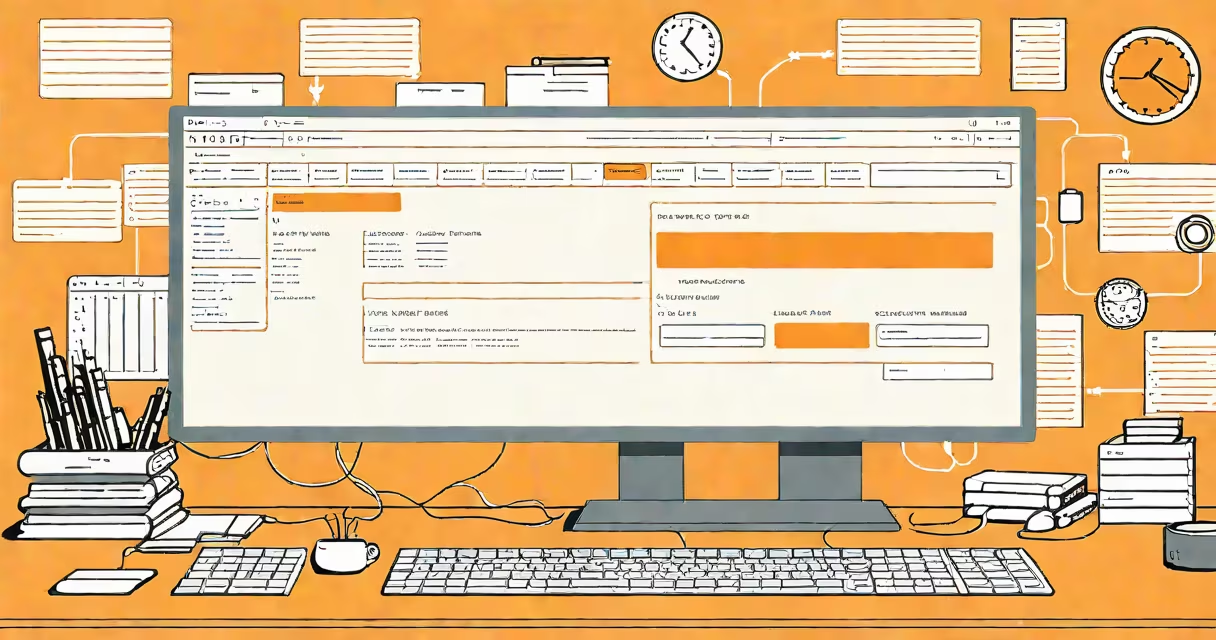
A database application program is software designed to create, manage, and interact with databases, enabling users to store, retrieve, and manipulate data efficiently. These programs provide interfaces and tools to perform operations like querying, reporting, and data analysis.
These programs use a database management system (DBMS) to handle data storage and retrieval. Users interact with the program through interfaces like graphical user interfaces (GUIs) or command-line interfaces (CLIs). The program translates user requests into commands the DBMS understands, executes those commands, and returns results to the user.
Database application programs are used in various fields such as healthcare, education, finance, and inventory management. For instance, a hospital might use a database application to manage patient records, while a university could use one to track student grades and attendance.
One concrete example is a student information system. This type of nursing program application stores student data, course schedules, and grades. Administrators can generate reports on student performance, while instructors can update grades and attendance records.
Most database application programs offer features like data entry forms, report generators, and query builders. Advanced programs support scripting and automation, allowing users to create custom workflows. Security features like user authentication and data encryption are also common.
According to IBM, modern database applications often integrate machine learning capabilities to predict trends and automate decision-making processes. For example, a retail database application might analyze sales data to forecast inventory needs.
Many people confuse database application programs with database management systems (DBMS). While a DBMS handles the technical aspects of data storage and retrieval, a database application program provides the user interface and tools to interact with the DBMS. Think of the DBMS as the engine and the application program as the dashboard and controls.
Another common misconception is that all database applications require programming knowledge. While some advanced applications do, many offer user-friendly interfaces that allow non-technical users to perform basic data operations without writing code.