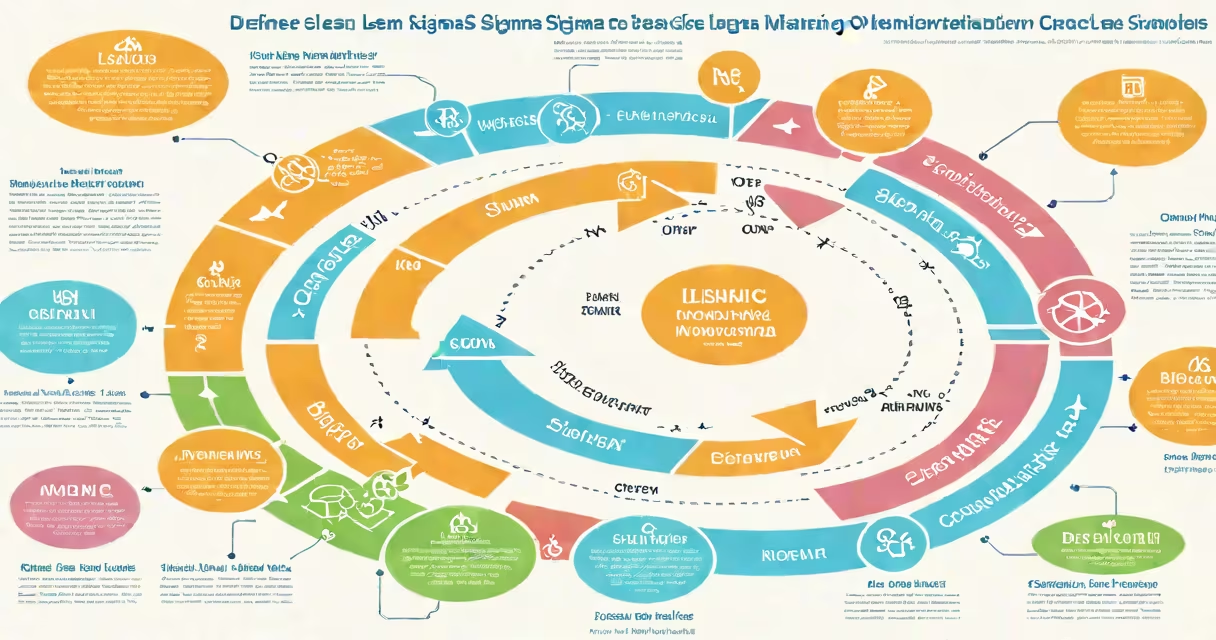
Lean Six Sigma is a data-driven methodology that combines Lean principles and Six Sigma techniques to improve business processes by eliminating defects and reducing waste.
Lean Six Sigma follows a structured problem-solving approach called DMAIC (Define, Measure, Analyze, Improve, Control). Teams define problems, measure current performance, analyze root causes, implement improvements, and control results. For example, a manufacturing plant might use DMAIC to reduce product defects by analyzing assembly line data and adjusting processes accordingly.
Lean Six Sigma integrates two key methodologies:
While Lean prioritizes speed and efficiency, Six Sigma emphasizes quality and accuracy. Together, they create a complete structure for process improvement.
Organizations across industries use Lean Six Sigma to improve efficiency, cut costs, and boost customer satisfaction. Common applications include:
Companies like General Electric, Motorola, and Amazon have adopted Lean Six Sigma to achieve significant operational improvements. For instance, General Electric saved hundreds of millions annually by implementing Six Sigma principles in the late 1990s.
Lean Six Sigma offers certification levels based on expertise:
Certifications validate proficiency and improve career opportunities in process improvement roles.
I worked with a team to apply Lean Six Sigma to a warehouse logistics process. By mapping the current state, identifying bottlenecks, and implementing changes like rearranging storage areas and optimizing picking routes, we reduced order fulfillment time by 30%. The structured approach ensured sustainable improvements.