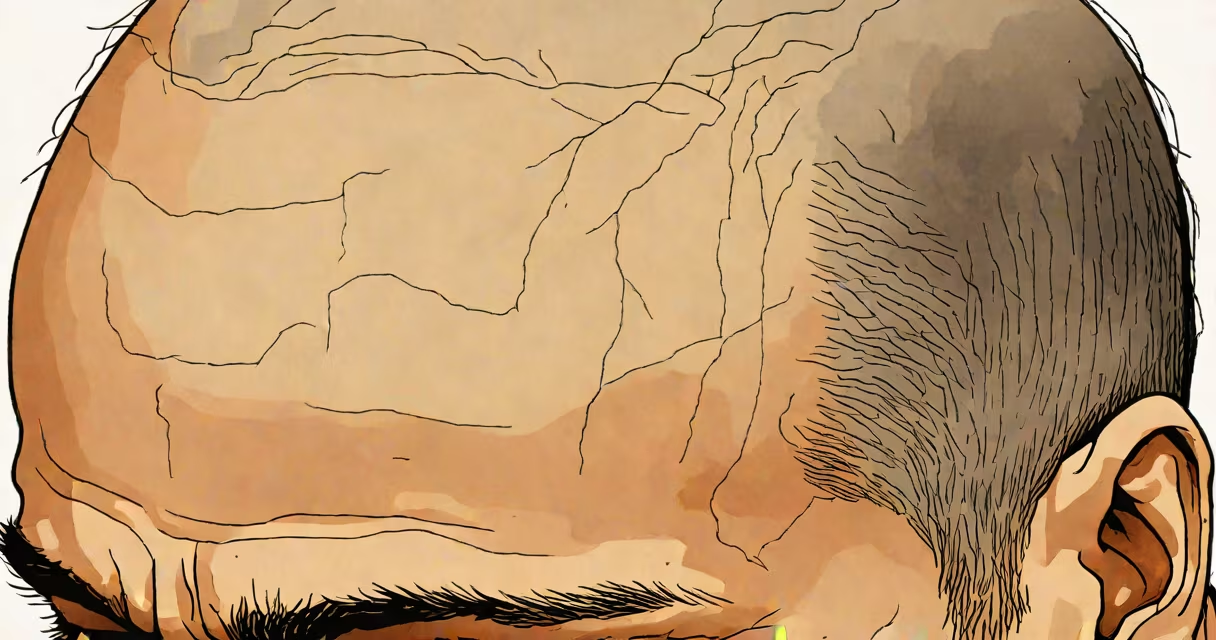
A disease when you lose your hair refers to conditions causing partial or complete hair loss, primarily affecting the scalp. These conditions can stem from genetics, autoimmune responses, or other medical factors.
Hair loss diseases disrupt the normal hair growth cycle, which includes phases of growth, transition, and rest. Conditions like alopecia areata cause immune cells to attack hair follicles, leading to sudden hair loss. Other types, such as androgenetic alopecia, involve hormonal changes that shrink hair follicles over time.
| Type | Cause | Key Feature |
|---|---|---|
| Alopecia Areata | Autoimmune response | Sudden patches of hair loss |
| Androgenetic Alopecia | Genetics and hormones | Gradual thinning, often starting at the temples |
| Scarring Alopecia | Inflammation damaging follicles | Permanent hair loss due to scar tissue |
Many people confuse normal hair shedding with hair loss diseases. On average, people lose 50 to 100 hairs daily, but excessive shedding over weeks indicates a potential issue. Stress can worsen hair loss but rarely causes permanent baldness unless combined with underlying conditions.
Treatments vary by type. For androgenetic alopecia, medications like minoxidil or finasteride can slow hair loss. Alopecia areata may respond to corticosteroids or immunotherapy. In severe cases, hair transplants or wigs provide solutions. According to the American Academy of Dermatology, early intervention improves outcomes.
I once consulted a dermatologist for a friend experiencing sudden hair loss. Tests confirmed alopecia areata, and treatment with corticosteroids helped regrow hair within months. This underscores the importance of professional diagnosis.
Consult a healthcare provider if hair loss is sudden, patchy, or accompanied by itching or pain. Conditions like scarring alopecia require immediate attention to prevent permanent damage. Early diagnosis can lead to more effective treatments.