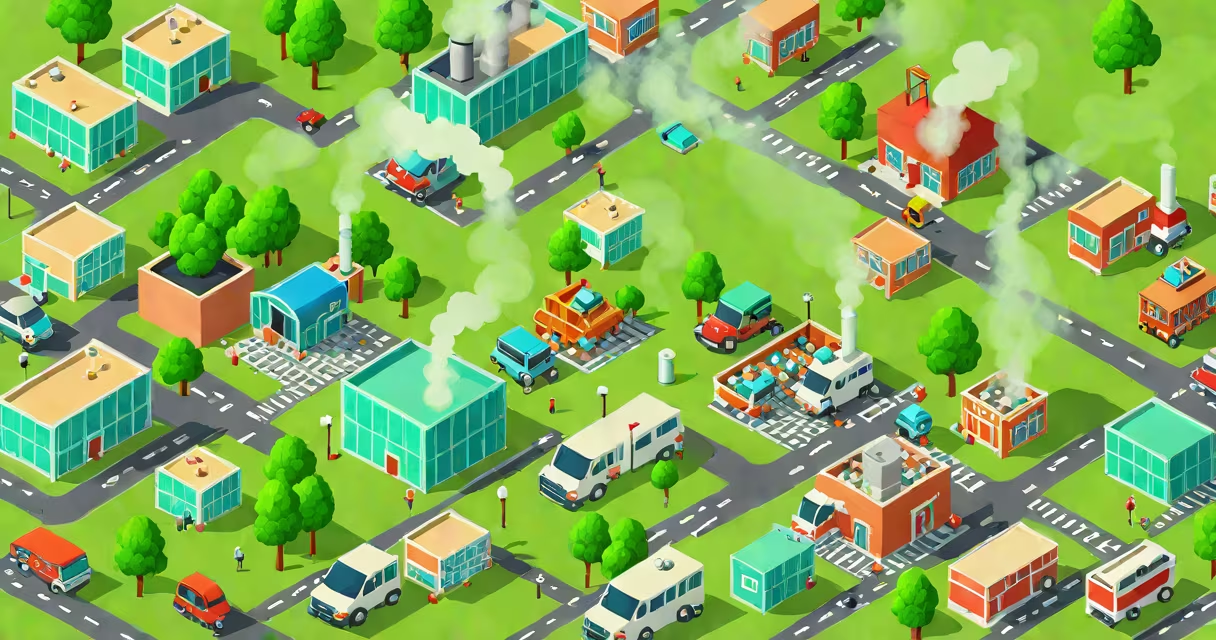
Diseases associated with air pollution are health conditions caused or worsened by prolonged exposure to harmful substances in the air, including respiratory and cardiovascular illnesses. These pollutants come from vehicles, industrial processes, and natural sources.
Air pollution enters the body through inhalation, damaging the lungs and other organs. Fine particulate matter (PM2.5) penetrates deep into the respiratory system, while gases like nitrogen dioxide and ozone irritate airways. The World Health Organization (WHO) estimates that ambient air pollution accounts for 4.2 million deaths per year due to stroke, heart disease, lung cancer, and chronic respiratory diseases.
The most harmful air pollutants include particulate matter, ozone, nitrogen dioxide, sulfur dioxide, and carbon monoxide. Particulate matter (PM) is particularly dangerous because it can bypass the body's defenses and enter the bloodstream, affecting multiple organs.
| Pollutant | Primary Sources | Key Health Effects |
|---|---|---|
| Particulate Matter (PM2.5 and PM10) | Vehicle exhaust, industrial emissions, wildfires | Asthma, bronchitis, heart attacks, reduced lung function |
| Ozone (O₃) | Chemical reactions involving pollutants from cars and factories | Lung inflammation, reduced lung capacity, asthma exacerbation |
| Nitrogen Dioxide (NO₂) | Combustion engines, power plants | Chronic bronchitis, lung cancer, increased asthma risk |
| Sulfur Dioxide (SO₂) | Coal and oil burning, industrial processes | Respiratory irritation, aggravated asthma, increased mortality risk |
| Carbon Monoxide (CO) | Vehicle exhaust, incomplete combustion | Reduced oxygen transport in the blood, heart strain |
Long-term exposure to air pollution is linked to several serious diseases, including chronic obstructive pulmonary disease (COPD), lung cancer, ischemic heart disease, and stroke. For example, a study published in Environmental Health Perspectives found that PM2.5 exposure increases the risk of lung cancer by 18% per 10 µg/m³ increase in concentration.
Children and the elderly are particularly vulnerable. Air pollution can stunt lung development in children and worsen existing conditions like asthma. Older adults with pre-existing heart or lung conditions face higher risks of hospitalization and death due to pollution.
Many people believe that only outdoor air pollution poses health risks. However, indoor air pollution from cooking, heating, and cleaning products can also cause severe health issues. The WHO reports that 3.8 million deaths annually result from indoor air pollution, primarily from household combustion devices.
Another common myth is that air pollution only affects large cities. Rural areas with agricultural activities, such as pesticide spraying and livestock farming, also experience significant pollution levels. For instance, ammonia from animal waste contributes to fine particulate formation, impacting nearby communities.
Reducing exposure to air pollution requires both individual and systemic changes. On a personal level, using air purifiers, avoiding high-traffic areas during peak hours, and wearing masks in polluted environments can help. Governments and organizations must enforce stricter emissions regulations and promote renewable energy sources to mitigate pollution at its source.