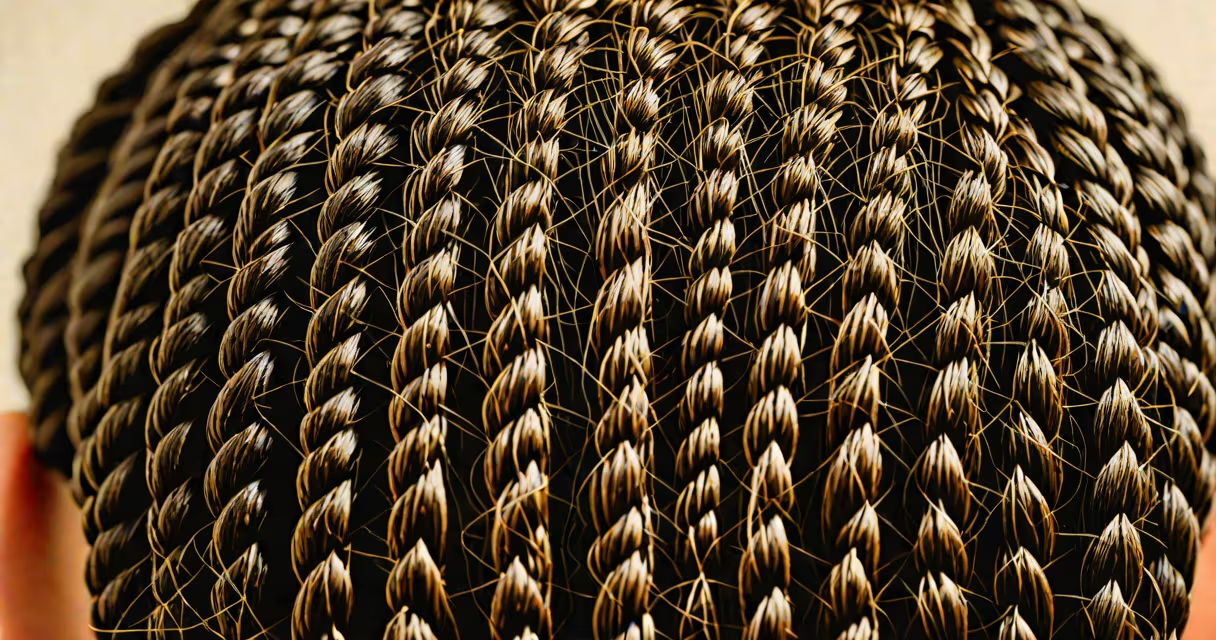
Cornrows themselves don't inherently cause hair loss, but improper installation-especially when braided too tightly-can lead to traction alopecia, a reversible form of hair loss caused by excessive pulling. The American Academy of Dermatology confirms that repeated tension on hair follicles disrupts growth cycles.
Cornrows are a type of braiding where hair is sectioned and woven close to the scalp in continuous rows. When done correctly, they're a low-maintenance protective style that can last weeks. However, the tension required to keep them neat can become harmful if the braids are too tight or left in too long.
| Type | Cause | Prevention |
|---|---|---|
| Traction Alopecia | Chronic pulling forces hair follicles to loosen | Loosen braids if they feel painful |
| Breakage | Excessive tension snaps hair strands | Avoid heavy accessories like beads |
| Folliculitis | Bacterial infection from unclean tools | Sanitize combs and hands before braiding |
Many assume all braiding causes hair loss, but research from the Journal of the American Academy of Dermatology shows that properly installed cornrows don't increase shedding. The key difference lies in tension: loose cornrows protect hair, while tight ones damage it. For example, microbraids are often mistaken for cornrows, but they carry higher risks because they're typically smaller and more numerous, increasing tension points.
Last year, I styled my daughter's hair in cornrows for her dance recital. After two weeks, she complained of tenderness near her temples. We loosened the braids immediately, and within six weeks, her hair regrew normally. This experience taught me to prioritize comfort over aesthetics.