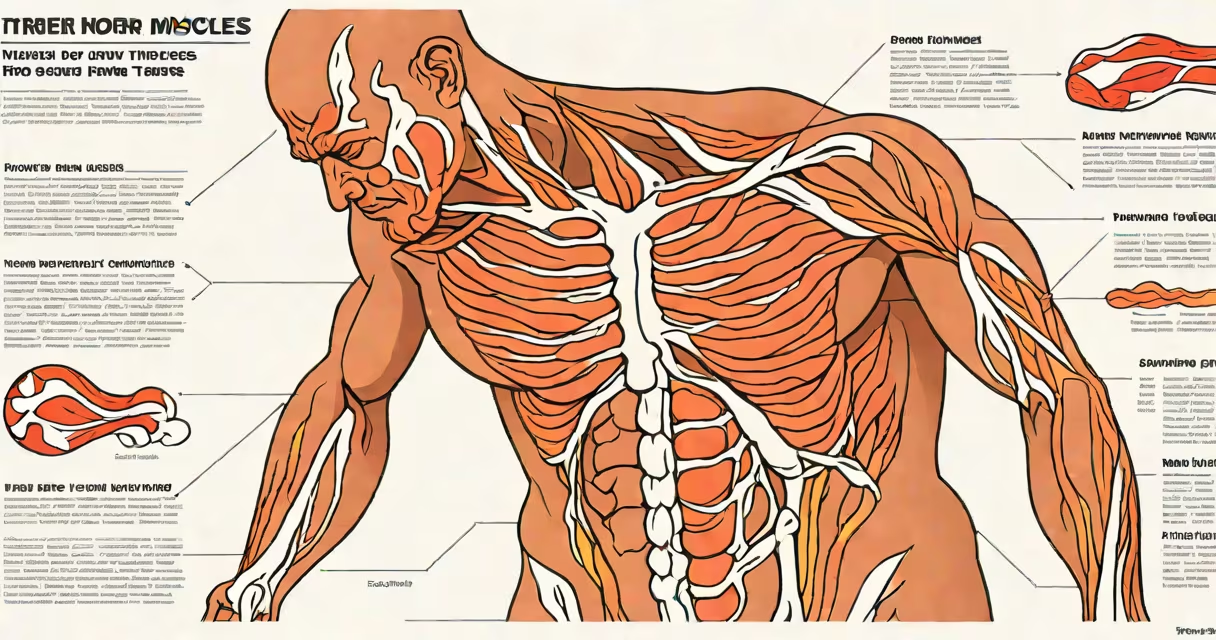
Most torn muscles can heal on their own through proper rest and recovery, though severe tears may require medical intervention. The body's natural healing process repairs damaged muscle fibers over time.
When a muscle fiber tears, the body initiates an inflammatory response to clean up debris and begin repair. White blood cells remove damaged tissue while growth factors stimulate new muscle cell production. This process typically takes 3-6 weeks for minor tears.
Muscle injuries range from mild strains to complete tears. The most common classifications are:
| Type | Description | Healing Time |
|---|---|---|
| Grade I Strain | Mild damage with some torn fibers | 2-4 weeks |
| Grade II Strain | Partial tearing with moderate pain | 4-8 weeks |
| Grade III Strain | Complete tear with significant pain | 3-6 months |
Several variables influence recovery time:
I once treated a Grade II hamstring tear by following the RICE protocol (Rest, Ice, Compression, Elevation) and gradually reintroducing light activity after 4 weeks.
Severe tears or those that don't improve with home care may require professional treatment. Signs you should see a doctor include:
Many people confuse muscle strains with tears. Strains involve overstretched or partially torn fibers, while tears are complete ruptures requiring different treatment approaches. Another myth is that heat accelerates healing - actually, ice is more effective during the initial 48-72 hours to reduce inflammation.
Here's what to expect during muscle healing:
For MCL injuries specifically, can an MCL heal on its own depends on tear severity, with most Grade I and II sprains recovering fully within 4-8 weeks.
While most torn muscles can heal on their own with proper care, understanding your specific injury and following appropriate recovery protocols ensures optimal healing and minimizes risk of reinjury.