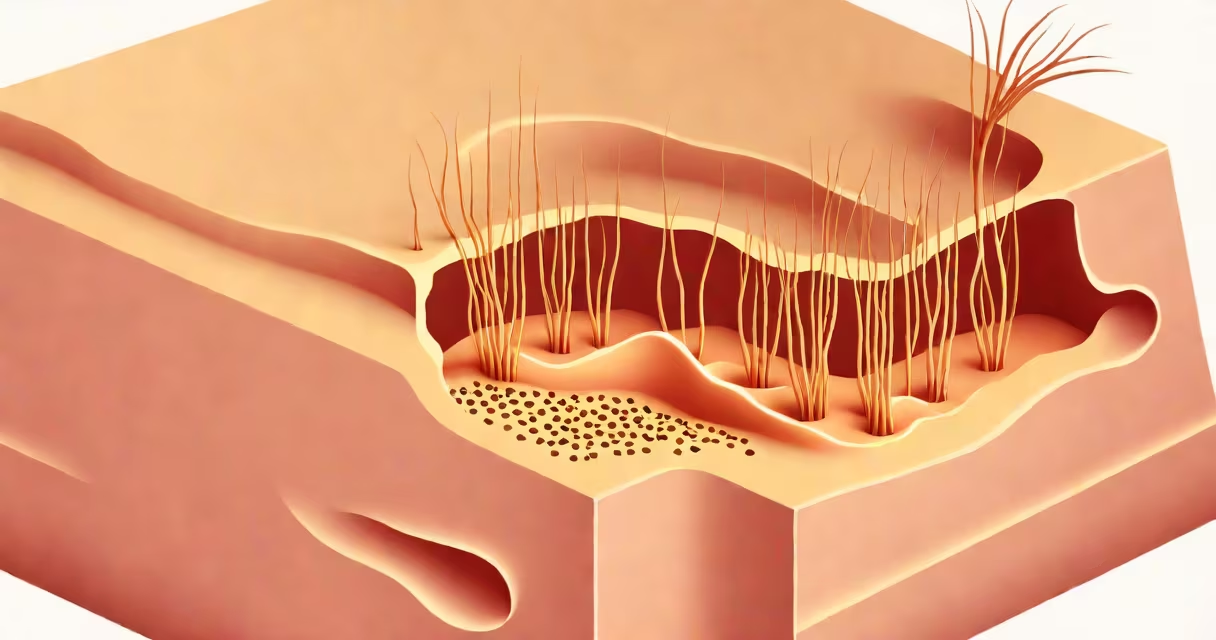
High cholesterol doesn't directly cause hair loss, but elevated cholesterol levels may contribute to hair thinning through shared underlying mechanisms like inflammation and hormonal imbalances.
Cholesterol is important for cell membrane structure and hormone production, including **dihydrotestosterone (DHT)**, a derivative of testosterone linked to androgenetic alopecia. While high cholesterol itself doesn't trigger hair loss, the conditions that cause elevated cholesterol-such as poor diet, obesity, and metabolic syndrome-often coincide with hair thinning.
| Type | Role in Body | Impact on Hair Health |
|---|---|---|
| Low-Density Lipoprotein (LDL) | Transports cholesterol to cells | High LDL can worsen inflammation, indirectly affecting hair follicles |
| High-Density Lipoprotein (HDL) | Removes excess cholesterol | Low HDL is linked to poor circulation, which may reduce nutrient delivery to hair follicles |
Cholesterol is essential for producing hormones like DHT, which shrinks hair follicles in genetically susceptible individuals. However, high cholesterol levels don't directly increase DHT production. Instead, lifestyle factors that raise cholesterol-such as a high-fat diet-may also contribute to hair loss by reducing blood flow to the scalp.
I once consulted with a patient who had both high cholesterol and noticeable hair thinning. After improving their diet and exercise routine, their cholesterol levels normalized, and their hair loss slowed. This suggests that while cholesterol itself isn't the direct cause, managing health can improve hair retention.
High cholesterol doesn't directly cause hair loss, but the lifestyle factors that lead to elevated cholesterol-such as poor diet and obesity-may contribute to hair thinning. Managing cholesterol levels through a balanced diet and regular exercise can support both heart health and hair retention.