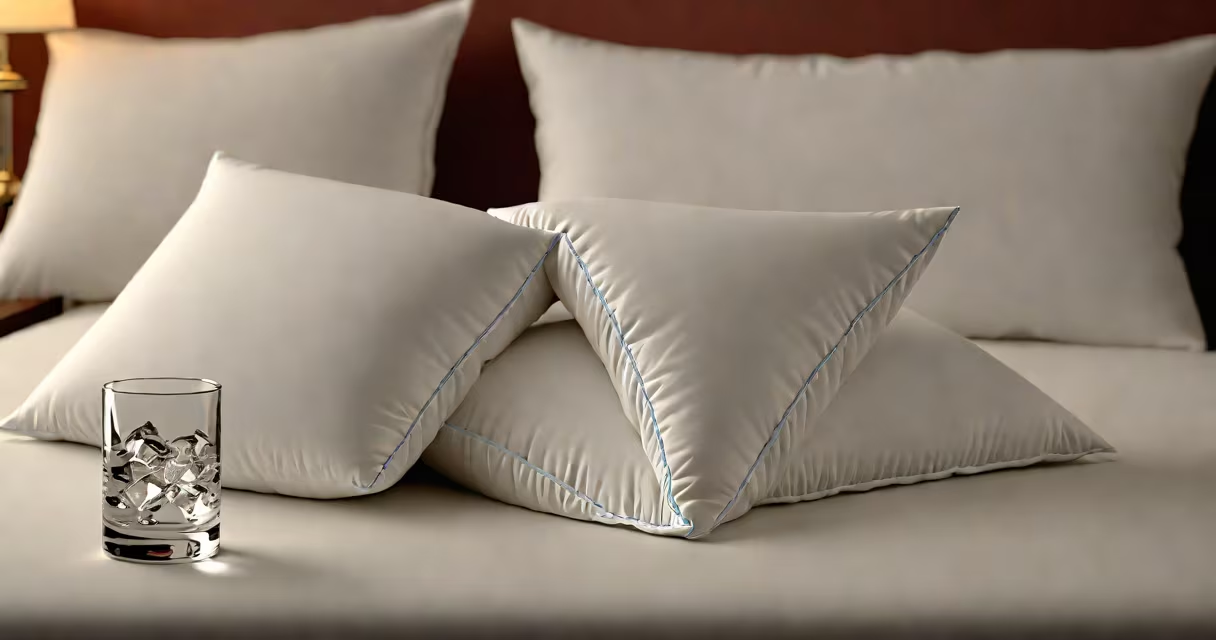
A wedge pillow helps with acid reflux by elevating your upper body while sleeping, which reduces stomach acid flowing into the esophagus. This position uses gravity to keep acid down, preventing nighttime heartburn and regurgitation.
Acid reflux occurs when stomach acid flows backward into the esophagus. Wedge pillows create a 30-degree incline, which helps maintain this angle even if you shift positions during sleep. Studies show that elevation reduces reflux episodes compared to lying flat.
| Type | Features | Best For |
|---|---|---|
| Standard wedge | Firm foam, 7-12 inches high | General reflux relief |
| Memory foam wedge | Conforms to body shape | Side sleepers |
| Adjustable wedge | Multiple pieces for custom angles | Variable comfort needs |
Most medical-grade wedge pillows are 7-12 inches high at the incline. A 2019 study in Gastroenterology found that a 30-degree elevation reduced nighttime reflux by 60% in chronic sufferers.
Many people think any pillow can work for reflux. However, standard pillows don't provide consistent elevation. Wedge pillows are specifically designed to maintain the optimal angle throughout the night. Another myth is that you need to improve your entire bed frame - wedge pillows provide targeted elevation without this expense.
I tested several wedge pillows and found that the memory foam versions provided better support for side sleepers, while standard foam worked well for back sleepers. The key is finding one that maintains its shape through the night.
If wedge pillows and lifestyle changes don't help, you may have GERD (gastroesophageal reflux disease). Persistent symptoms like difficulty swallowing or chronic cough warrant medical attention. Your doctor might recommend medications or procedures to strengthen your lower esophageal sphincter.