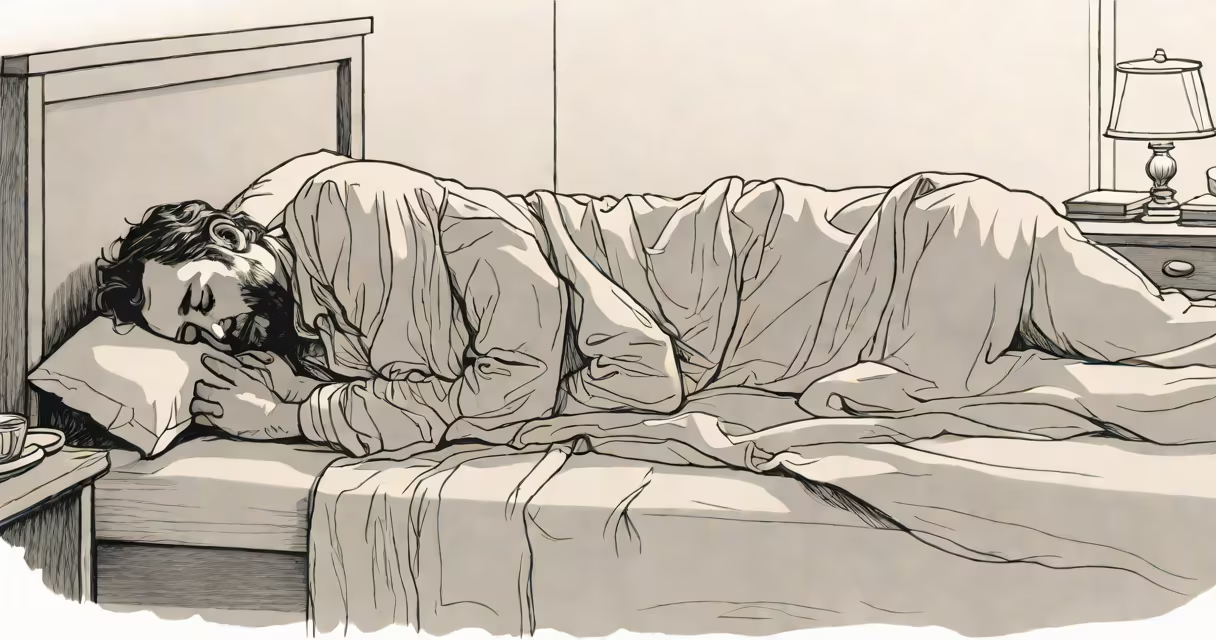
We know sleep is essential for survival, but scientists still debate its primary purpose. Research points to multiple functions, including brain maintenance, memory consolidation, and metabolic regulation.
Sleep occurs in cycles of roughly 90 minutes, alternating between REM (rapid eye movement) and non-REM stages. Non-REM sleep includes three phases: N1 (light sleep), N2 (deeper sleep), and N3 (deep sleep or slow-wave sleep). REM sleep is associated with dreaming and memory processing.
| Stage | Duration | Key Characteristics |
|---|---|---|
| N1 | 5-10 minutes | Light sleep, easy to wake |
| N2 | 10-60 minutes | Deeper sleep, body temperature drops |
| N3 | 20-40 minutes | Deep sleep, essential for physical recovery |
| REM | 10-60 minutes | Dreaming, memory consolidation |
Sleep is important for cognitive function, emotional regulation, and physical health. Chronic sleep deprivation is linked to increased risks of heart disease, diabetes, and obesity. The National Sleep Foundation recommends 7-9 hours of sleep per night for adults.
Many believe sleep is just downtime for the brain. However, research shows the brain remains active, clearing toxins and consolidating memories. Another myth is that you can "catch up" on lost sleep, but studies indicate sleep debt accumulates and affects performance.
Some people think they can function well on less sleep. However, the effects of severe sleep deprivation include impaired judgment, slowed reaction times, and mood disturbances. Chronic lack of sleep can lead to serious health issues, including cardiovascular disease and weakened immune function.
For those struggling with sleep, cognitive behavioral therapy for insomnia (CBT-I) is often recommended. This therapy focuses on changing thoughts and behaviors that interfere with sleep. Techniques include stimulus control, sleep restriction, and relaxation training. Studies show CBT-I is as effective as sleep medication for treating chronic insomnia.
If you're experiencing persistent sleep problems, consulting a healthcare professional is advisable. Understanding the underlying causes and implementing appropriate treatments can improve sleep quality and health.