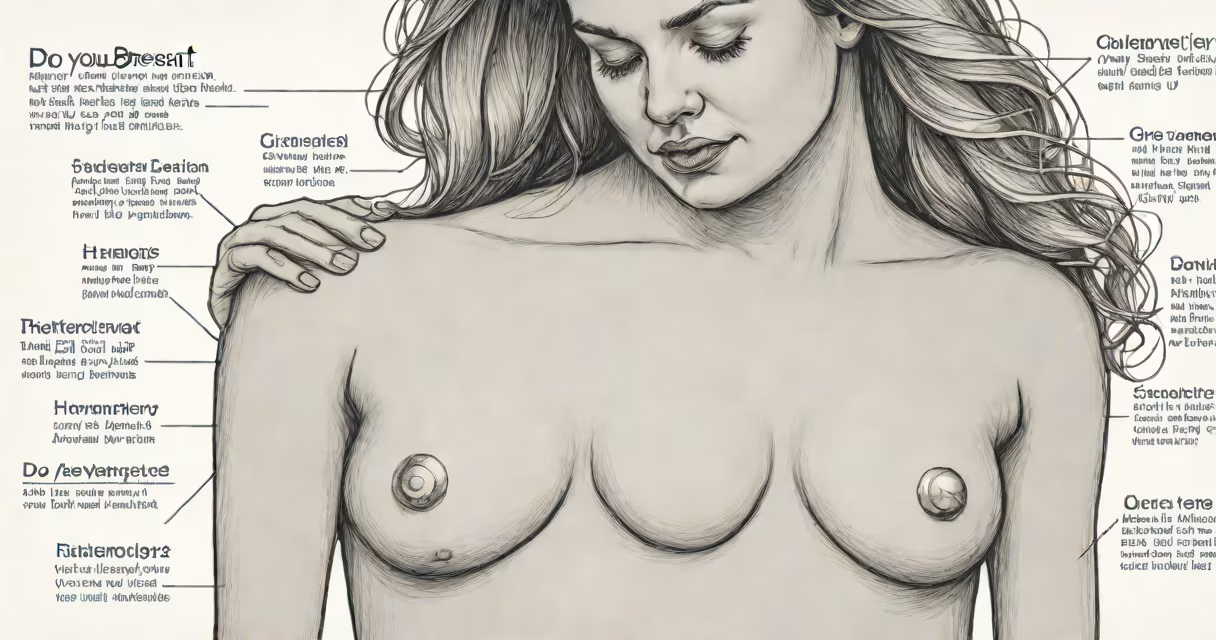
Breast soreness during ovulation occurs due to hormonal fluctuations that cause temporary tissue swelling and increased sensitivity. This discomfort typically lasts 1-7 days around mid-cycle.
The luteinizing hormone surge that triggers ovulation also stimulates progesterone production. This hormone causes milk ducts to enlarge slightly in preparation for potential pregnancy, creating pressure and tenderness. Estrogen levels also rise, increasing blood flow to breast tissue and contributing to sensitivity.
| Type | Characteristics | Duration |
|---|---|---|
| Mild tenderness | Slight soreness when touched | 1-3 days |
| Moderate discomfort | Noticeable pain without touch | 3-5 days |
| Severe tenderness | Painful movement or pressure | 5-7 days |
Unlike ovulation tenderness, which is caused by progesterone, premenstrual breast changes result from both progesterone and prolactin working together to prepare the breasts for potential lactation. The combination creates more pronounced swelling and discomfort.
Many people confuse ovulation-related breast tenderness with early pregnancy symptoms. While both involve hormonal changes, ovulation tenderness is temporary and cyclical, whereas early pregnancy symptoms persist and intensify over time. The hormonal shifts in early pregnancy involve higher levels of human chorionic gonadotropin (hCG) along with continued progesterone production, creating different physiological effects.
According to the American College of Obstetricians and Gynecologists, about 20% of women experience noticeable breast tenderness during ovulation. The discomfort typically peaks 1-2 days before ovulation and subsides within a few days afterward.
Persistent or severe breast pain that doesn't follow the normal ovulation pattern warrants medical evaluation. Conditions like fibrocystic breast changes, hormonal imbalances, or other health issues could cause ongoing discomfort. A healthcare provider can help determine if the pain is related to normal ovulation or another underlying condition.
In my experience tracking menstrual symptoms, I've noticed that ovulation-related breast tenderness often coincides with other mid-cycle symptoms like mild cramping, increased cervical mucus, and heightened libido. These symptoms typically form a predictable pattern that can help individuals better understand their menstrual cycles.