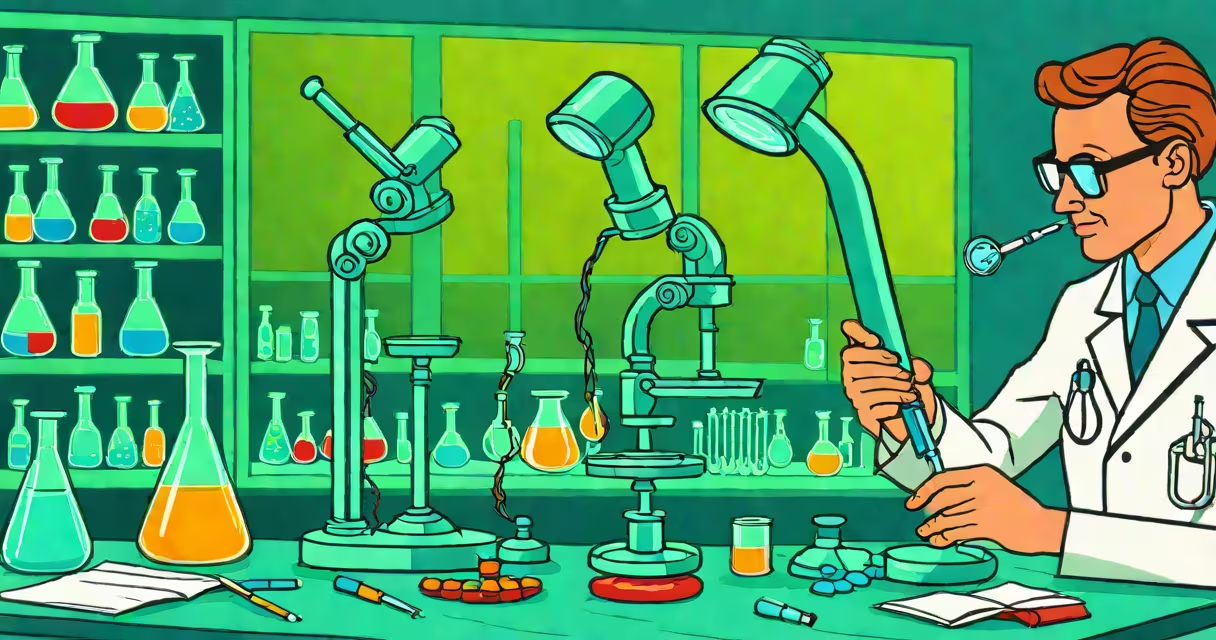
A doctorate of forensic science is a terminal degree program focused on advanced research, specialized expertise, and original contributions to the field of criminal investigations. These programs typically culminate in a dissertation based on independent research.
Doctorate programs in forensic science are research-intensive and designed for students who want to specialize in areas like DNA analysis, trace evidence, or forensic toxicology. The curriculum includes coursework in advanced scientific methods, statistical analysis, and ethical considerations in forensic work. Students spend significant time conducting original research and writing a dissertation that contributes new knowledge to the field.
Most doctoral programs in forensic science are offered as either a PhD or a Doctor of Science (ScD). The key difference lies in the focus: PhDs emphasize research and academic contributions, while ScDs often focus on applied science and professional practice. Some universities offer specialized tracks within these programs, such as forensic biology, forensic chemistry, or forensic anthropology.
Graduates with a doctorate in forensic science typically pursue careers in academia, research institutions, or government agencies. They may work in crime laboratories, teach at universities, or advise on policy development. Their expertise is important in solving complex cases, developing new forensic techniques, and training the next generation of forensic professionals.
For example, a researcher with a doctorate in forensic science might develop a new method for identifying trace evidence, improving the accuracy of criminal investigations. Their work could be published in peer-reviewed journals and presented at international conferences, influencing the direction of forensic research worldwide.
One common misconception is that a doctorate in forensic science is primarily about solving crimes in the field. While graduates may contribute to casework, their primary role is often in research and development. Another misunderstanding is that this degree is only for those interested in laboratory work. In reality, it opens doors to teaching, consulting, and policy-making roles as well.
For instance, while a BTEC in forensic science provides foundational knowledge and practical skills for entry-level positions, a doctorate prepares individuals for leadership roles in research and academia. Similarly, a master's degree focuses on applied skills, whereas a doctorate emphasizes original research and theoretical contributions.
Some doctoral programs offer concentrations in niche areas like palynology, the study of plant pollen and spores, which can be used to determine the geographic origin of evidence. Other specializations include forensic genetics, digital forensics, and forensic pathology. These areas require deep expertise and often involve collaboration with other scientists and law enforcement agencies.
Another area of specialization is forensic toxicology, which involves analyzing drugs, poisons, and chemicals in biological samples. A doctoral student in this field might research new methods for detecting synthetic opioids or developing tests for emerging drugs.