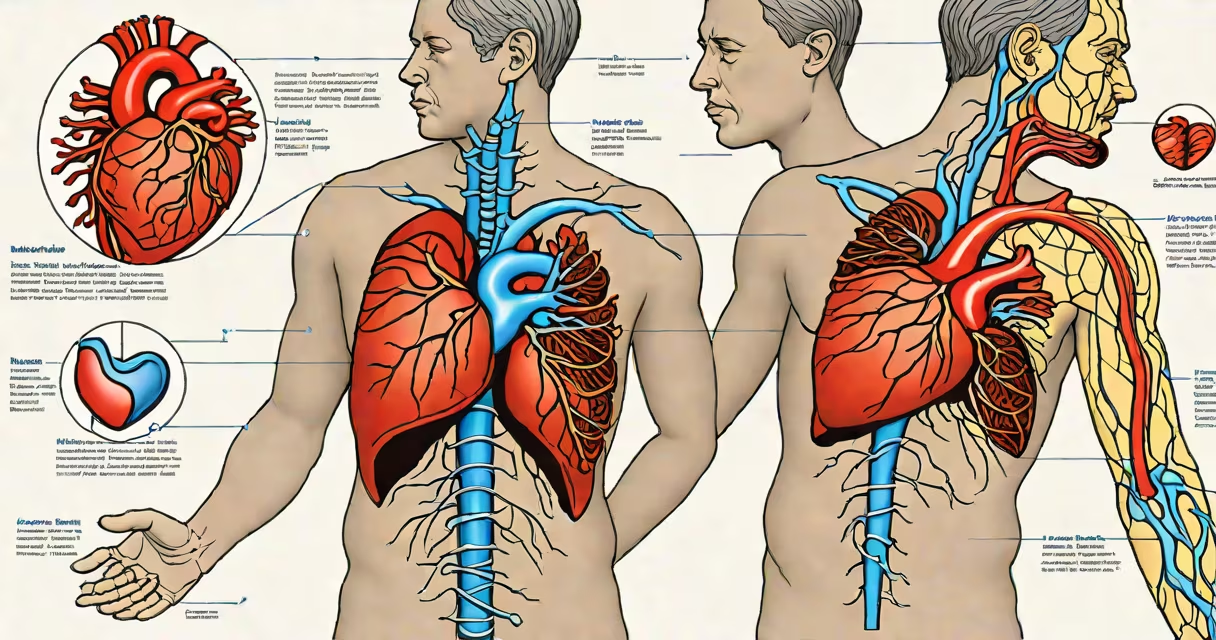
Acid reflux can sometimes cause a rapid heartbeat or heart palpitations, particularly during severe episodes. This occurs because stomach acid irritates the vagus nerve, which connects to the heart. While occasional heartburn rarely leads to serious cardiac issues, frequent acid reflux (GERD) may contribute to long-term cardiovascular risks.
The vagus nerve plays a key role in this connection. When stomach acid flows backward into the esophagus, it can stimulate the vagus nerve, which regulates heart rate. This stimulation may cause the heart to beat faster or irregularly. A 2018 study published in Clinical Gastroenterology and Hepatology found that GERD patients often report heart-related symptoms alongside reflux.
Heart-related symptoms may include:
These symptoms usually occur during or shortly after a reflux episode. However, they can also happen independently of reflux due to other conditions like anxiety or arrhythmias.
While occasional heartburn rarely causes lasting harm, persistent symptoms warrant evaluation. The American College of Gastroenterology recommends consulting a doctor if:
A healthcare provider can rule out cardiac causes and recommend appropriate treatment for both reflux and heart symptoms.
Lifestyle changes often help minimize both reflux and associated heart symptoms. The National Institute of Diabetes and Digestive and Kidney Diseases suggests:
If symptoms persist, prescription medications or procedures like fundoplication may be necessary.
Many people confuse acid reflux with heart problems due to overlapping symptoms. Unlike heart attacks, reflux-related chest pain typically:
However, anyone experiencing severe or prolonged chest pain should seek immediate medical attention.