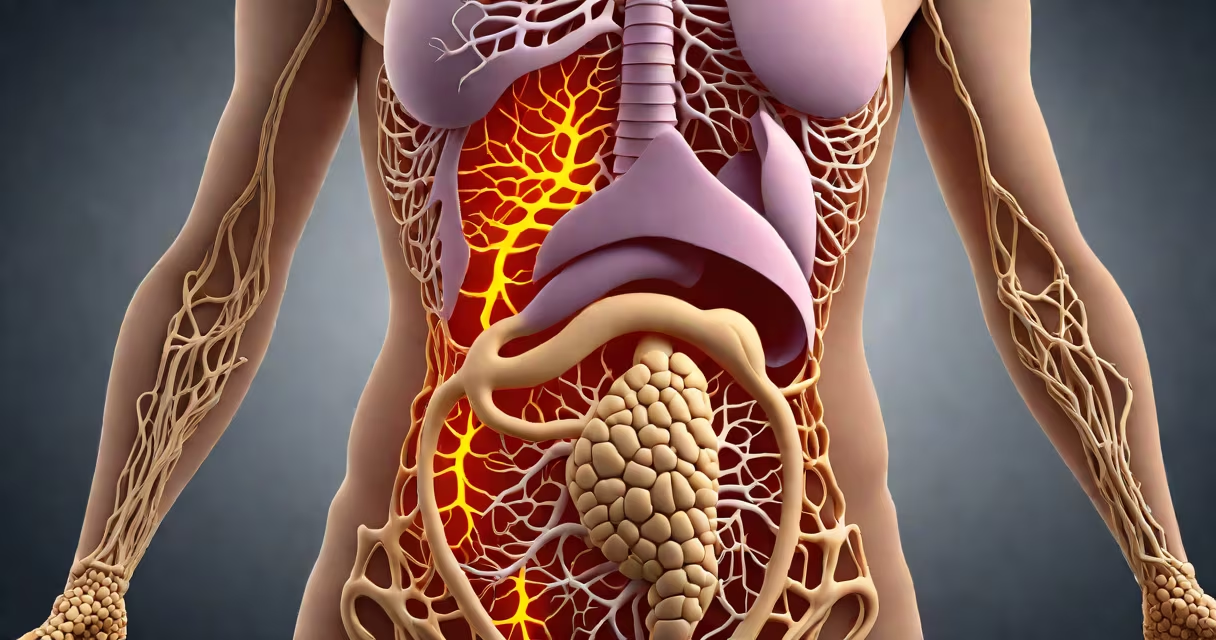
Lupus can cause nausea through inflammation, medication side effects, or organ involvement. Systemic lupus erythematosus (SLE) often affects the digestive system.
Lupus triggers inflammation throughout the body, including the digestive tract. This can slow digestion, cause bloating, and lead to nausea. The condition may also affect liver function, contributing to digestive discomfort.
| Symptom | Cause | Frequency |
|---|---|---|
| Nausea | Medication side effects, inflammation | Common |
| Abdominal pain | Organ inflammation | Moderate |
| Diarrhea | Gastrointestinal involvement | Occasional |
Contact a doctor if nausea persists for more than 48 hours or is accompanied by vomiting, fever, or severe abdominal pain. These could indicate serious complications like lupus nephritis or pancreatitis.
Eating smaller, frequent meals and avoiding greasy foods can help manage lupus-related nausea. Some patients find relief with anti-nausea medications prescribed by their rheumatologist. I noticed significant improvement in my symptoms when I adjusted my diet and medication timing under medical supervision.