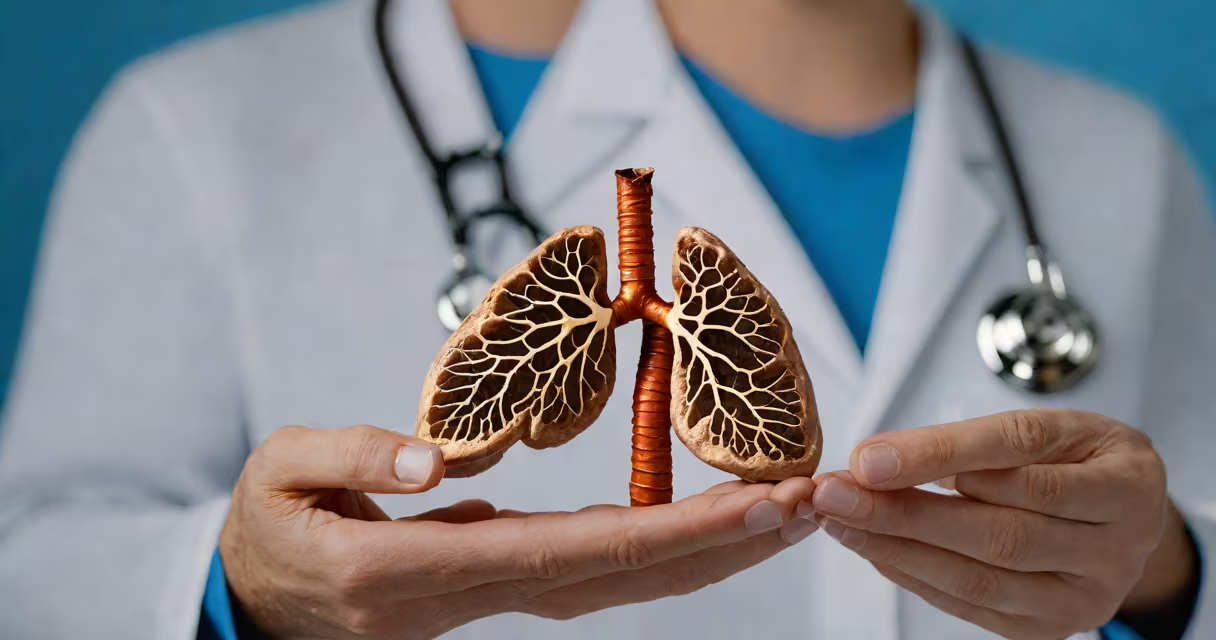
Lung cancer itself doesn't cause hair loss, but treatments like chemotherapy often do. Hair loss typically begins within weeks of starting chemo and may be temporary or permanent.
Chemotherapy drugs target rapidly dividing cells, which includes both cancer cells and hair follicles. This disruption slows hair growth and can lead to thinning or complete loss. The extent varies by drug type, dosage, and individual response.
| Type | Description | Timing |
|---|---|---|
| Alopecia | Partial or complete hair loss | 2-4 weeks after starting chemo |
| Thinning | Noticeable reduction in hair density | Ongoing during treatment |
| Patchy loss | Uneven hair loss in specific areas | Varies by individual |
Radiation therapy near the scalp can also cause hair loss, though targeted radiation (like for lung cancer) usually doesn't affect hair. Hormone therapies and immunotherapy may contribute to thinning but rarely full baldness.
Many assume hair loss is inevitable with lung cancer treatment, but some drugs (like targeted therapies) have lower risks. Scalp cooling systems can reduce hair loss in certain cases, though they're not always effective.
I've seen patients worried about hair loss before even starting treatment. A common mistake is assuming it's permanent-most hair regrows within 3-6 months after chemo ends, though texture or color may change.
For more details on how different cancer treatments affect hair, see this guide.
Hair often grows back in stages, starting with fine, short hairs. Full regrowth can take up to a year. Some patients opt for wigs or scarves during recovery, while others embrace the look.
If you're concerned about hair loss from lung cancer treatment, talk to your oncologist about your specific regimen and options for managing it.