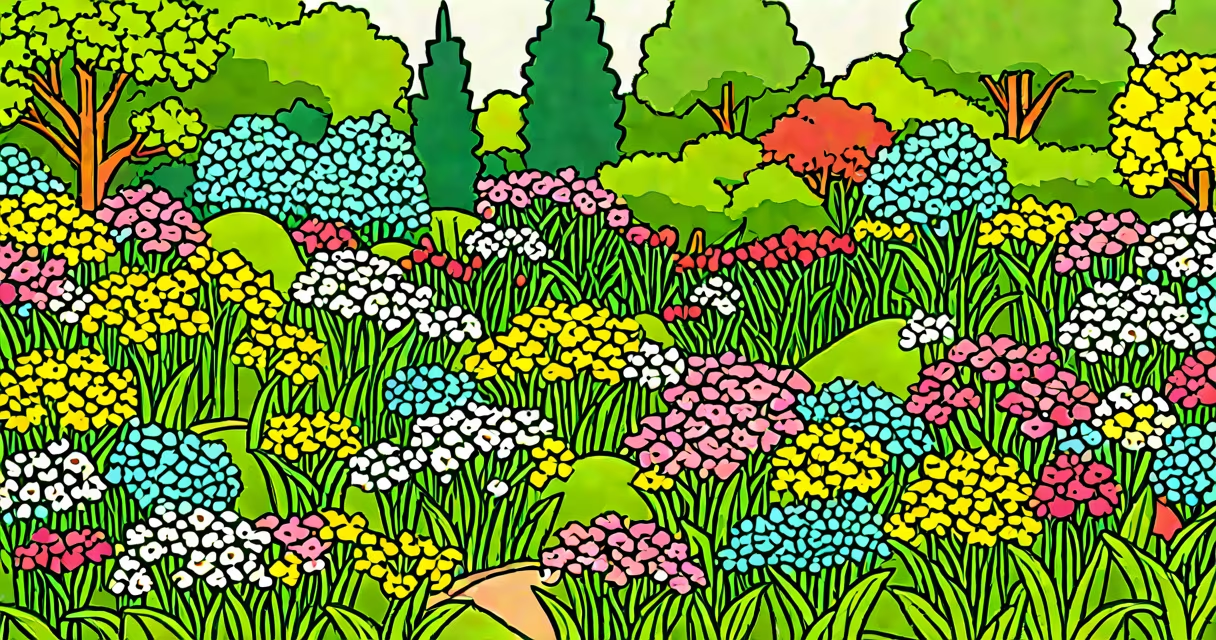
Perennials survive winter by storing energy in their roots, stems, or bulbs. When temperatures warm in spring, they use this stored energy to produce new growth. This process repeats annually, allowing the plant to live for many years.
For example, the common hosta plant can live for decades. It dies back to the ground each fall but regrows from the same roots each spring.
| Type | Characteristics | Examples |
|---|---|---|
| True perennials | Live indefinitely under ideal conditions | Peonies, lavender |
| Herbaceous perennials | Die back to the ground each year | Hostas, daylilies |
| Woody perennials | Retain above-ground growth year-round | Trees, shrubs |
Gardeners value perennials for their low-maintenance nature and long-term beauty. They're commonly used in flower beds, borders, and naturalized areas. Perennials are also important in ecosystems, providing stability and habitat over time.
For instance, the prairie system relies heavily on perennial grasses like big bluestem, which have extensive root systems that prevent erosion and support wildlife.
Many people confuse perennials with biennials, which live for two years before dying. Others assume all perennials are hardy in all climates, but some require specific conditions to survive winter.
According to the United States National Arboretum, the hardiness of a perennial depends on its specific species and the climate zone it's planted in. Some perennials may act as annuals in colder regions if they can't survive the winter.
When I planted a black-eyed Susan (Rudbeckia hirta) in my garden five years ago, it returned each spring with more vigor. Despite harsh winters, the plant's deep root system allowed it to regrow reliably. This experience demonstrated firsthand how perennials establish themselves and thrive over multiple growing seasons.