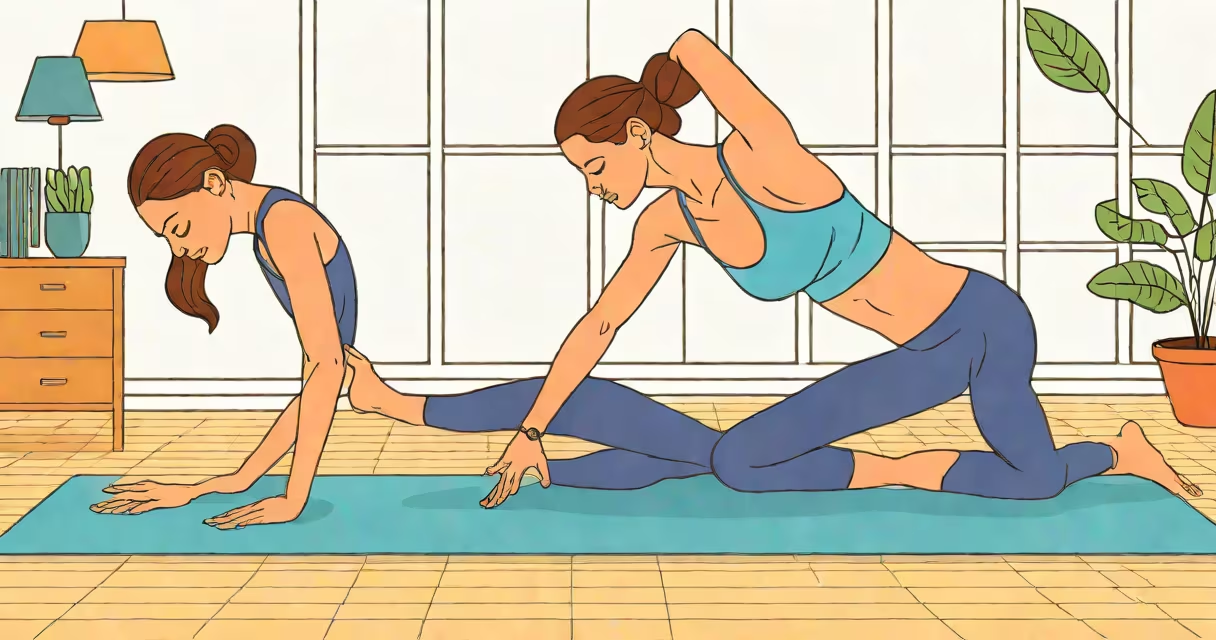
Stretching sore muscles may help recovery by improving blood flow and reducing stiffness, but it doesn't accelerate the underlying repair process. Muscle soreness typically peaks 24-72 hours after intense exercise due to microscopic damage and inflammation.
Stretching increases circulation to sore muscles, which can ease discomfort temporarily. However, research from the Journal of Strength and Conditioning Research shows that stretching doesn't speed up muscle protein synthesis-the key biological process for repairing damaged fibers.
Muscle soreness falls into two categories:
Stretching works best for acute soreness. For DOMS, gentle movement and hydration are more effective. A study in Sports Medicine found that changing stretching before workouts reduces injury risk, while static stretching afterward helps with relaxation.
Many people assume stretching prevents soreness entirely. In reality, it only reduces stiffness. Overstretching can even worsen inflammation. For example, after a tough leg day, light walking or foam rolling often helps more than aggressive stretching.
I've seen this firsthand: After a marathon, my calves were stiff for days. Static stretches helped loosen them, but the soreness didn't fade until I rested and hydrated properly.