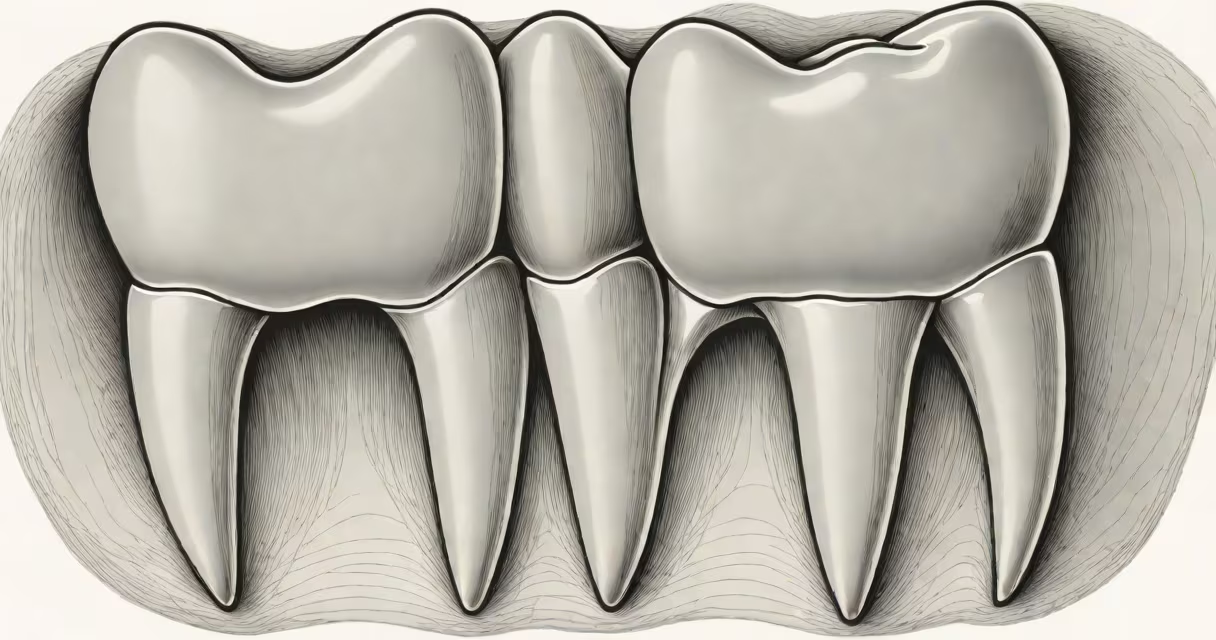
A dull ache in tooth after filling is normal discomfort caused by dental work irritating nerves. It typically lasts days to weeks.
Dental fillings involve removing decayed material and replacing it with restorative material. This process can inflame the pulp inside the tooth, causing mild pain. The procedure may also leave the tooth slightly elevated, putting pressure on surrounding tissues.
Post-filling discomfort usually peaks within 24 hours and subsides within 2-4 weeks. Sensitivity to hot or cold temperatures may linger longer. If pain persists beyond four weeks or worsens, contact your dentist.
According to the Mayo Clinic, most post-filling pain resolves on its own. However, severe or prolonged pain may indicate complications like an improper fit or infection.
| Type | Description | Duration |
|---|---|---|
| Mild sensitivity | Discomfort when biting or temperature changes | 1-2 weeks |
| Dull throbbing | Constant low-level pain | 2-4 weeks |
| Sharp pain | Sudden jolts when pressure is applied | Varies; seek evaluation |
Schedule an appointment if pain lasts longer than four weeks, increases suddenly, or is accompanied by swelling, fever, or pus. These symptoms may indicate an infection or filling failure.
I once experienced lingering pain after a filling. My dentist adjusted the bite alignment, resolving the issue. Proper follow-up ensures the filling fits correctly and protects against further problems.
Some people confuse normal post-filling discomfort with severe issues. Ignoring persistent pain can lead to complications. Others assume over-the-counter pain relievers will fix the problem indefinitely-temporary relief isn't a substitute for professional evaluation.
The American Dental Association advises avoiding hard or chewy foods immediately after a filling to prevent damage.
Follow your dentist's aftercare instructions. Use desensitizing toothpaste if recommended. Avoid extreme temperatures and hard foods until the tooth adjusts.