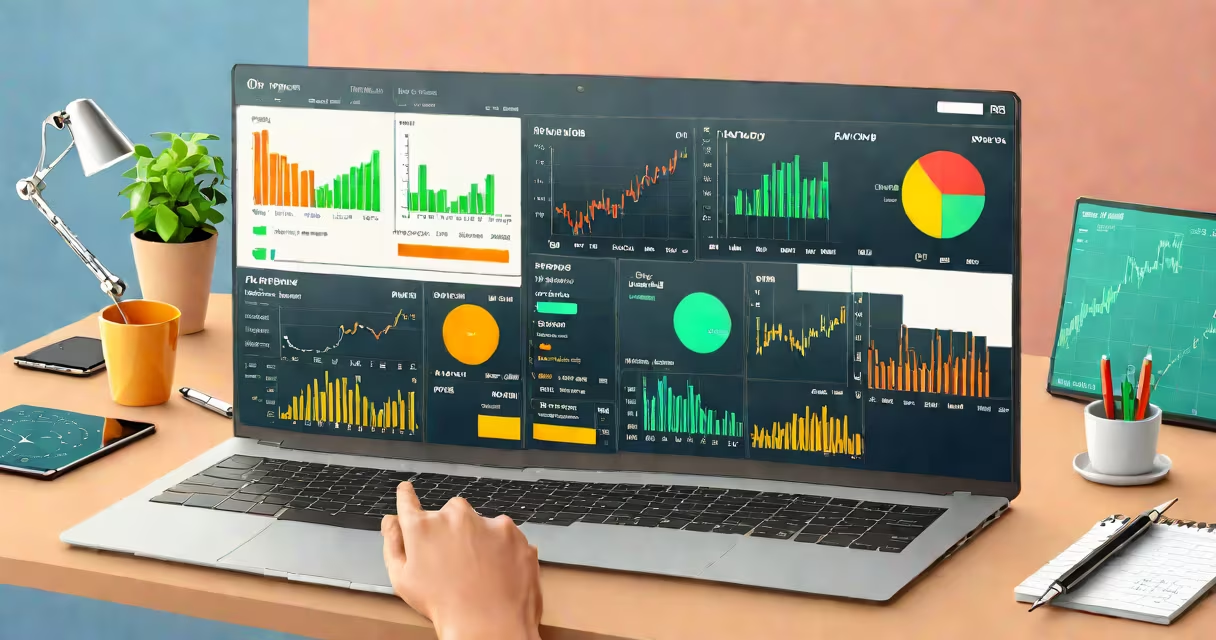
Electronic trading (e trading) lets investors buy and sell assets online through platforms instead of traditional exchanges. It includes stocks, bonds, currencies, and commodities, all accessible via software.
E trading connects buyers and sellers digitally. Users place orders through brokerage platforms, which route them to exchanges or other participants. Orders execute automatically when conditions are met, such as price targets or volume thresholds.
For example, if you want to buy 10 shares of Apple at $150 each, your order goes into the system. When Apple's price hits $150, the trade executes instantly. This process happens in milliseconds, far faster than manual trading.
| Asset Type | Example Platforms | Typical Fees |
|---|---|---|
| Stocks | Robinhood, E*TRADE, TD Ameritrade | $0-$7 per trade |
| Forex | MetaTrader, Forex.com, OANDA | Spread-based (0.1-0.5 pips) |
| Cryptocurrencies | Coinbase, Binance, Kraken | 0.1-0.5% per trade |
| Options | ThinkorSwim, Interactive Brokers | $0.65-$1 per contract |
E trading democratizes investing by lowering barriers to entry. Beginners can start with small amounts, access educational resources, and practice with virtual money through demo accounts. Platforms like Robinhood and Webull offer commission-free trading, making it affordable to learn.
Most platforms provide tools like charting software, news feeds, and research reports. These features help beginners analyze markets and make informed decisions. For instance, Robinhood's interface simplifies complex concepts, making it easier for new traders to understand.
Many beginners confuse e trading with day trading or assume it's risky. While day trading involves frequent buying and selling within the same day, e trading simply refers to using electronic platforms. The risk level depends on the trader's strategy, not the method.
Another myth is that e trading requires programming skills. While some advanced strategies use algorithms, most beginners trade through user-friendly interfaces. If you're curious about coding in trading, explore C programming for beginners to see how it applies.
Start with a demo account to practice without risking real money. Most platforms offer this feature, allowing you to test strategies in a simulated environment. For example, TD Ameritrade's thinkorswim platform provides a demo mode with virtual funds.
Research the platform's fees, tools, and customer support before committing. Some brokers charge hidden fees or lack educational resources. Compare options to find the best fit for your needs.
Understand the BE meaning in trading and other key terms before diving in. Knowledge of basic terminology helps avoid costly mistakes. For instance, knowing what a "bid-ask spread" is can prevent unexpected losses.
Diversify your portfolio to manage risk. Avoid putting all your money into a single stock or asset. Spread investments across different sectors and asset classes to balance potential gains and losses.