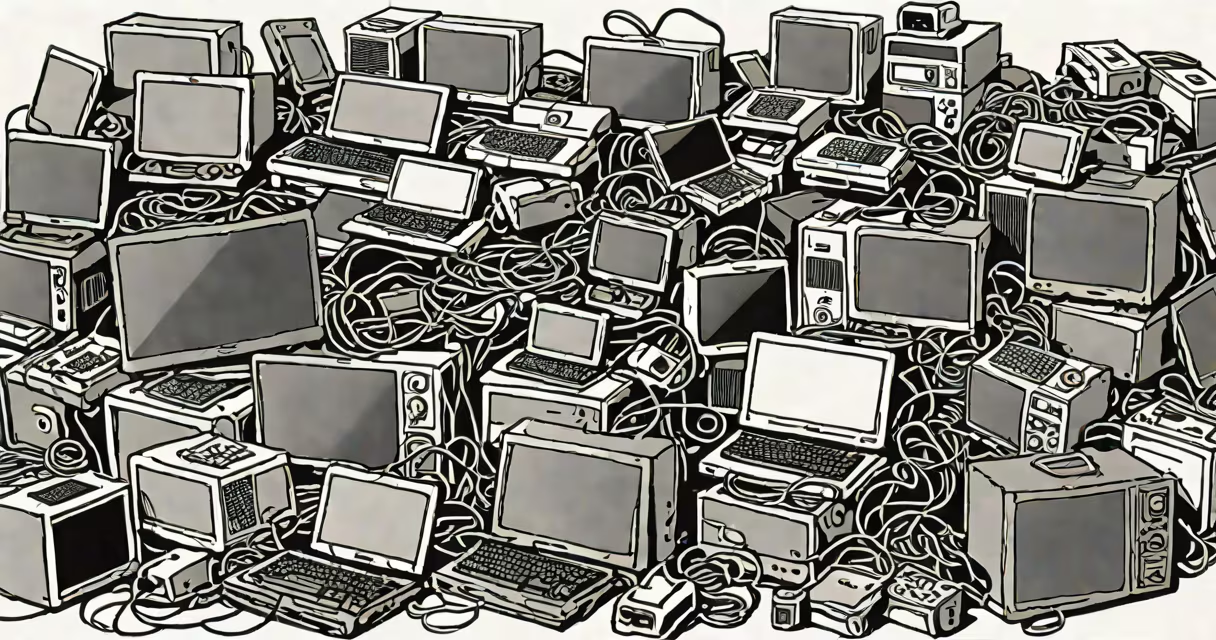
E waste disposal is the process of collecting, processing, and recycling electronic devices that are no longer useful. This includes computers, phones, TVs, and other electronics, which often contain hazardous materials that require special handling.
Electronic waste, or e-waste, is one of the fastest-growing waste streams globally. According to the United Nations, the world generates nearly 50 million metric tons of e-waste annually. Only about 20% of this is formally recycled, with the rest ending up in landfills or being incinerated, which poses significant risks to human health and the environment.
E waste disposal involves several steps:
The U.S. Environmental Protection Agency (EPA) reports that recycling one million laptops saves the energy equivalent to powering 3,500 homes for a year. Recycling electronics reduces the need for mining new materials.
| Type | Examples | Common Materials |
|---|---|---|
| Large appliances | Refrigerators, washing machines | Steel, copper, plastic |
| Small appliances | Microwaves, blenders | Aluminum, plastic, glass |
| Consumer electronics | TVs, computers, phones | Gold, silver, lithium, lead |
| Medical equipment | X-ray machines, monitors | Mercury, lead, copper |
Electronics contain a mix of valuable and hazardous materials. For example, a single computer monitor may contain up to 8 pounds of lead, while a smartphone contains small amounts of gold and silver. Proper disposal ensures these materials are recovered safely rather than contaminating soil and water.
E waste disposal is essential in both urban and rural areas. Cities often have dedicated e-waste recycling centers, while rural communities may rely on mobile collection services. The process is critical because improper disposal can lead to toxic chemicals leaching into the ground, polluting water supplies, and harming wildlife.
Many countries have regulations requiring manufacturers to take back and recycle their products. For instance, the European Union's Waste Electrical and Electronic Equipment (WEEE) Directive mandates that producers manage the end-of-life treatment of electronics. Similar laws exist in the U.S., such as California's Electronic Waste Recycling Act.
One common myth is that e-waste is harmless if thrown away with regular trash. In reality, electronics contain toxic substances like mercury, cadmium, and brominated flame retardants, which can cause serious health issues if they enter the environment. Another misconception is that recycling electronics is too expensive or time-consuming. However, many recycling programs are free or low-cost, and the recovered materials can be sold for profit.
I once visited an e-waste recycling facility and was surprised by the sheer volume of discarded electronics. Workers carefully dismantled devices, separating components for recycling. The facility had strict safety protocols to protect workers materials. Seeing the process firsthand reinforced the importance of proper e-waste disposal.
E waste disposal is a important process for managing the growing problem of electronic waste. By recycling electronics, we can recover valuable materials, reduce pollution, and minimize the need for mining new resources. Proper disposal methods ensure that hazardous substances do not harm the environment or human health. Whether through local recycling programs or manufacturer take-back initiatives, responsible e-waste management is key to a sustainable future.