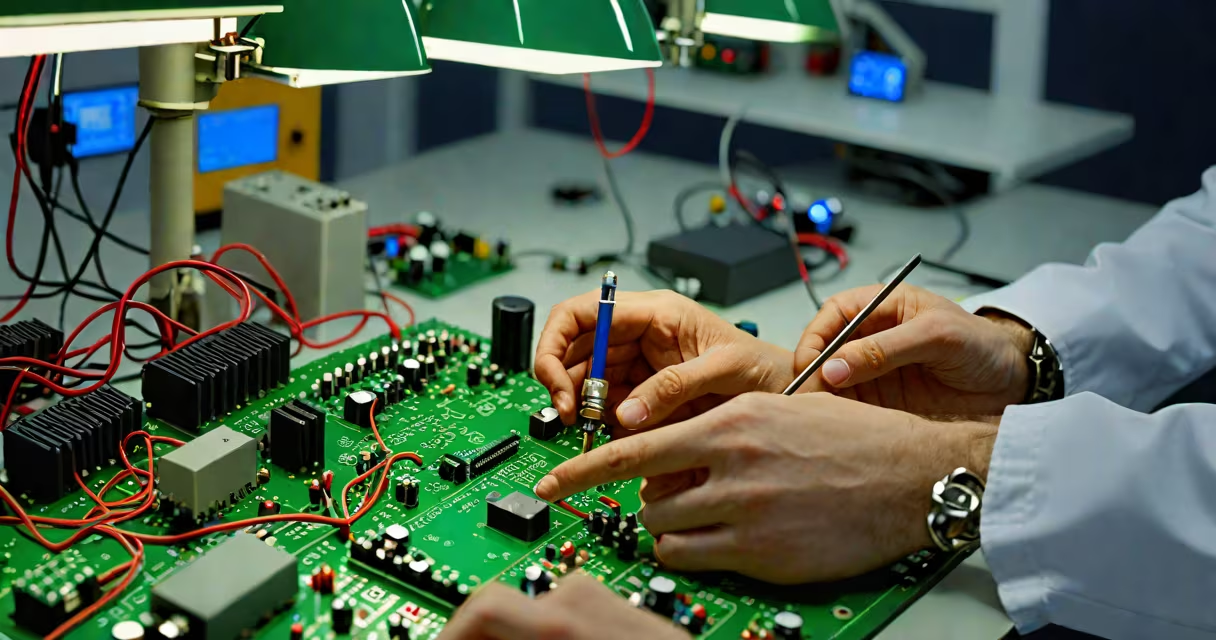
An EC engineering course is a program that combines electrical and electronics engineering principles, typically lasting four years at the undergraduate level. These courses prepare students for careers in designing, developing, and maintaining electrical systems and electronic devices.
EC engineering courses follow a structured curriculum that includes both theoretical and practical components. Students attend lectures, participate in labs, and complete projects. The coursework often includes subjects like circuit analysis, digital systems, electromagnetics, and control systems. Many programs also require internships or co-op experiences to provide real-world exposure.
| Type | Focus Area | Key Subjects |
|---|---|---|
| Undergraduate (Bachelor's) | Core electrical and electronics principles | Circuit Analysis, Digital Logic, Electromagnetics, Control Systems |
| Graduate (Master's) | Specialized areas | Power Systems, Microelectronics, Communication Systems, Signal Processing |
| Online/Distance Learning | Flexible learning options | Same as traditional programs but delivered online |
EC engineering courses are offered at universities worldwide. Graduates work in various industries, including telecommunications, power generation, automotive, aerospace, and consumer electronics. The demand for skilled EC engineers continues to grow due to advancements in technology and the increasing reliance on electronic devices.
According to the U.S. Bureau of Labor Statistics, employment of electrical and electronics engineers is projected to grow 3%, driven by innovations in wireless technology and renewable energy. Many graduates also pursue further education or research in specialized fields.
One common misconception is that EC engineering is limited to hardware design. However, modern EC engineering courses also cover software aspects, such as programming and embedded systems, which are important for developing smart devices and IoT applications. Another mistake is assuming that EC engineering is purely theoretical. In reality, these courses emphasize hands-on labs and project-based learning to ensure students gain practical skills.
For example, at the University of Texas at Austin, the EC engineering program includes a senior design project where students work in teams to develop a functional prototype, such as a smart home system or a renewable energy solution. This practical experience is invaluable for their future careers.
Graduates of EC engineering courses have diverse career opportunities. They can work as electrical engineers, electronics engineers, control systems engineers, or telecommunications engineers. Some pursue roles in research and development, while others enter project management or consulting. The median annual wage for electrical and electronics engineers was $108,460 in May 2022, according to the U.S. Bureau of Labor Statistics.
For those interested in further education, a master's degree in electrical engineering or a related field can open doors to advanced research positions or academic careers. Some graduates also choose to specialize in emerging fields like artificial intelligence, robotics, or cybersecurity.