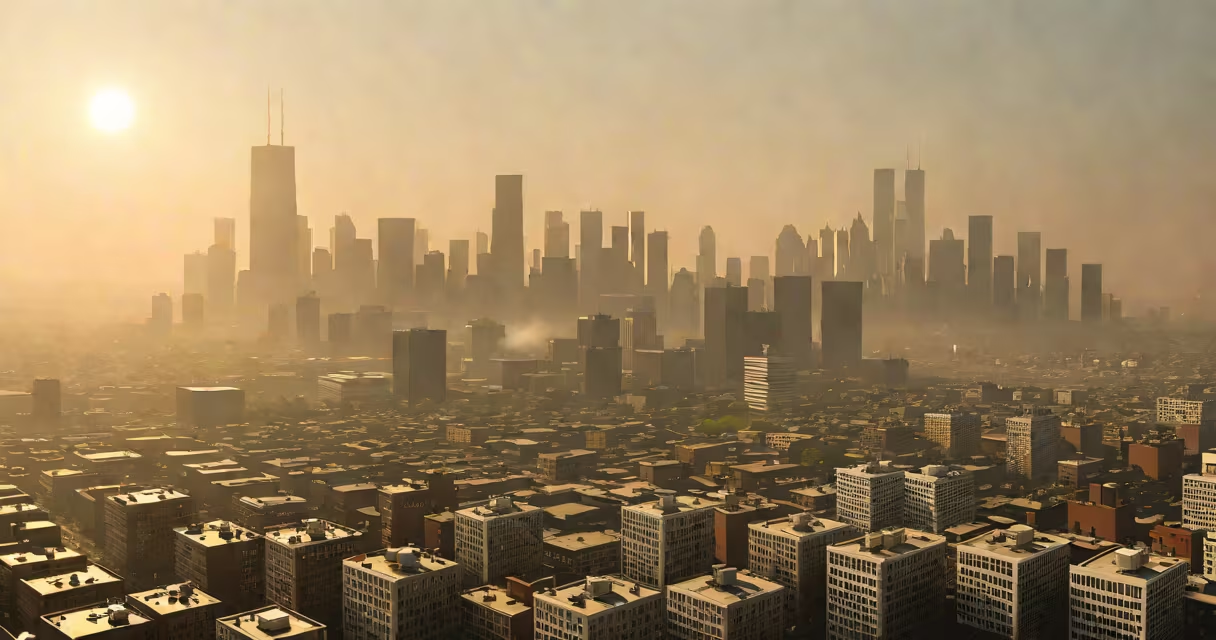
Air pollution costs the global economy $8 billion daily through healthcare expenses, lost productivity, and environmental damage. These impacts ripple through public health, businesses, and ecosystems worldwide.
Air pollution harms economies by increasing healthcare spending, reducing worker productivity, and damaging infrastructure. The World Bank estimates that air pollution cuts life expectancy by 1.8 years on average. For example, China's GDP growth slowed by 0.3-1% annually due to pollution-related health issues between 1990 and 2010.
Pollutants like particulate matter (PM2.5) enter lungs and bloodstreams, worsening diseases such as asthma, lung cancer, and heart disease. The World Health Organization (WHO) attributes 7 million premature deaths yearly to air pollution exposure.
The primary drivers of air pollution's economic burden are:
Many assume air pollution only affects large cities, but rural areas suffer too. Agricultural regions face crop losses from ozone damage, while industrial zones near rural communities expose workers to toxic pollutants. For example, farmers in California's Central Valley lose millions in almond and walnut crops due to ozone pollution.
Governments and businesses can mitigate these costs by investing in clean energy, enforcing emission regulations, and promoting public transit. For instance, London's congestion charge reduced traffic-related pollution by 44% since 2003, saving £9.5 billion in healthcare costs. Individuals can also help by using public transportation, conserving energy, and supporting policies that cut emissions.