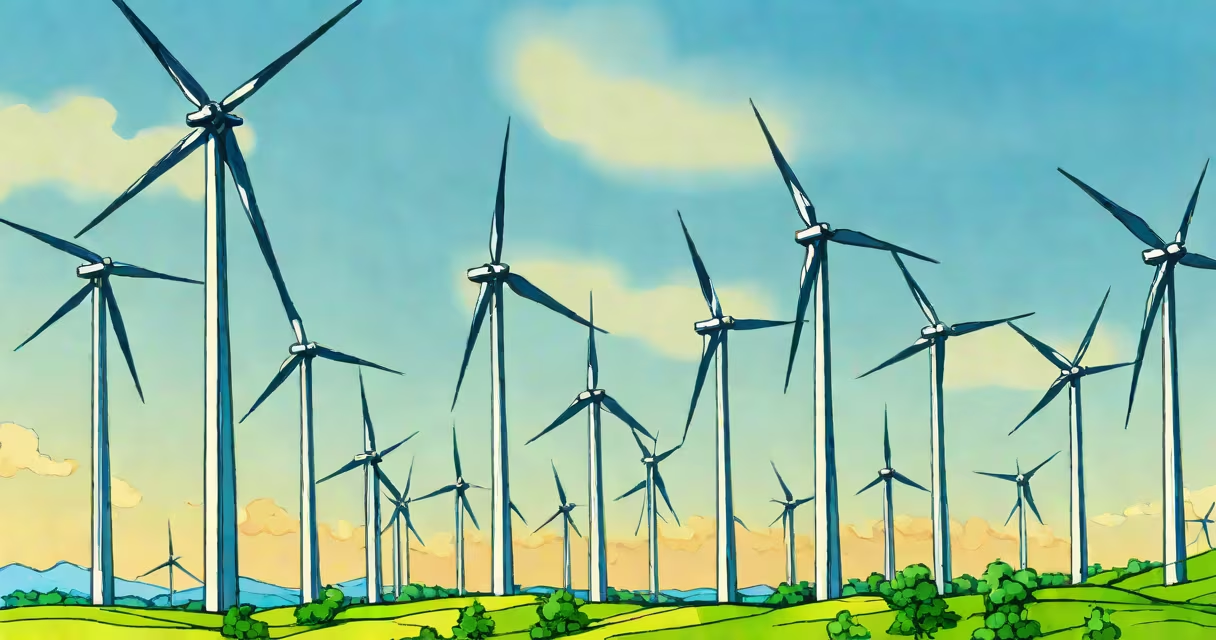
In environmental science, energy refers to the capacity to do work, measured in joules or calories, and encompasses both kinetic and potential forms. This includes solar, wind, fossil fuels, and nuclear power.
Energy flows through ecosystems via processes like photosynthesis, where plants convert sunlight into chemical energy. Humans use energy from natural sources to power activities, but this often disrupts natural cycles. For example, burning coal releases carbon dioxide, altering Earth's atmosphere.
Many confuse energy with power, which measures energy transfer rate (watts = joules/second). For instance, a 60-watt light bulb uses 60 joules per second, not 60 joules total., renewable energy isn't always clean-hydropower dams disrupt ecosystems, and biomass burning emits pollutants.
Energy production and consumption drive climate change, pollution, and habitat destruction. The U.S. Energy Information Administration reports that 80% of U.S. energy comes from fossil fuels, contributing to 75% of U.S. greenhouse gas emissions. Transitioning to renewables like solar and wind reduces these impacts but requires infrastructure changes.
In my work analyzing energy systems, I've seen how small shifts-like replacing incandescent bulbs with LEDs-reduce household energy use by 75%. Scaling such changes globally could cut emissions.