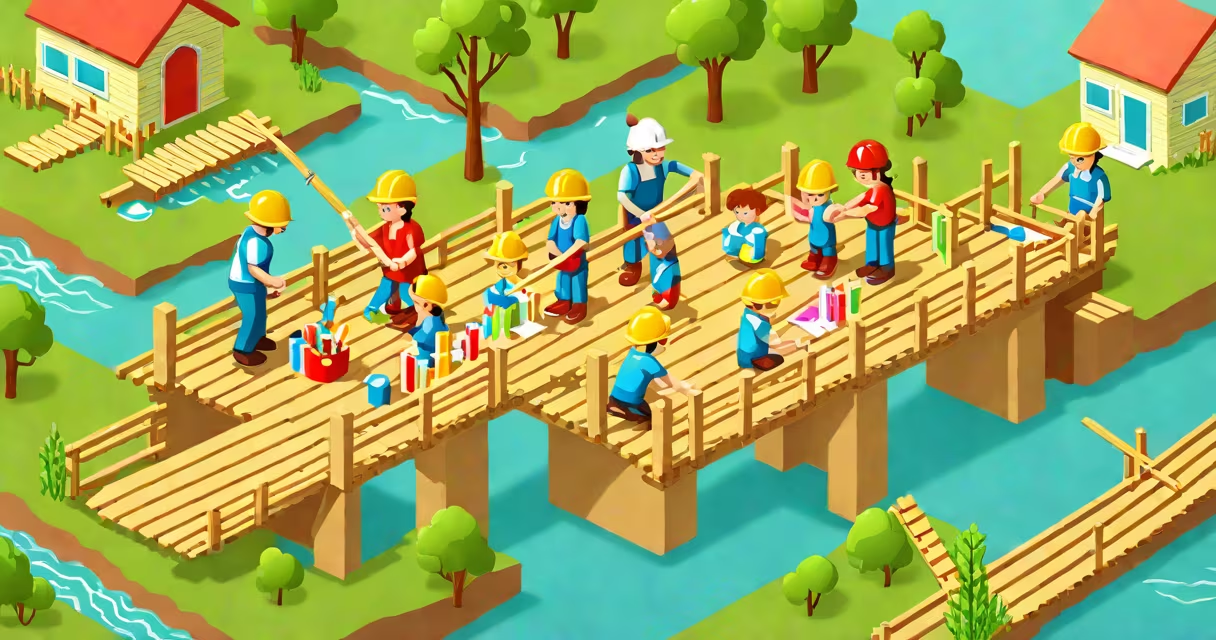
The engineering design process for kids is a structured approach to solving problems through hands-on projects, breaking complex challenges into manageable steps. It teaches young learners to think critically, experiment, and innovate.
The process follows six key steps: ask, imagine, plan, create, test, and improve. Each step builds on the previous one, creating a cycle of continuous improvement. For example, if kids are designing a paper airplane, they start by asking questions about flight, then imagine different designs, plan their prototypes, build them, test for distance, and improve based on results.
Projects can range, depending on the age group and resources available. Common examples include building bridges from popsicle sticks, designing water bottle rockets, or creating simple machines like levers or pulleys. The key is to choose projects that align with the kids' interests and abilities while challenging them to apply scientific principles.
For instance, a popular project is constructing a mini solar oven using a pizza box, aluminum foil, and plastic wrap. This project teaches kids about heat transfer and renewable energy while allowing them to experiment with different materials and designs.
This process is used in classrooms, after-school programs, and at-home activities to make STEM concepts accessible and engaging. Schools often incorporate it into science and math curricula to build problem-solving skills and collaboration. At home, parents can use it to create fun, educational projects that encourage creativity and critical thinking.
According to the National Science Teaching Association, hands-on learning improves student engagement and retention of scientific concepts. By using the engineering design process, kids develop a growth mindset, learning that failure is part of the process and that persistence leads to success.
Many people assume that engineering design is only for older students or those with a natural aptitude for science and math. However, the process can be adapted for any age group, schoolers. The key is to simplify the steps and use age-appropriate materials and challenges.
Another misconception is that the process is rigid and linear. In reality, it's iterative and flexible. Kids often revisit earlier steps as they test and improve their designs. For example, if a bridge made from popsicle sticks collapses during testing, kids might go back to the planning stage to reinforce the structure.
I once led a workshop where kids designed and built small boats from recycled materials to see which could hold the most weight. The initial designs often failed, but the kids were excited to go back to the drawing board, adjust their plans, and test again. This hands-on experience showed them that failure is a natural part of the learning process and that perseverance leads to better solutions.
For more on structured problem-solving methods, explore system design in software engineering.