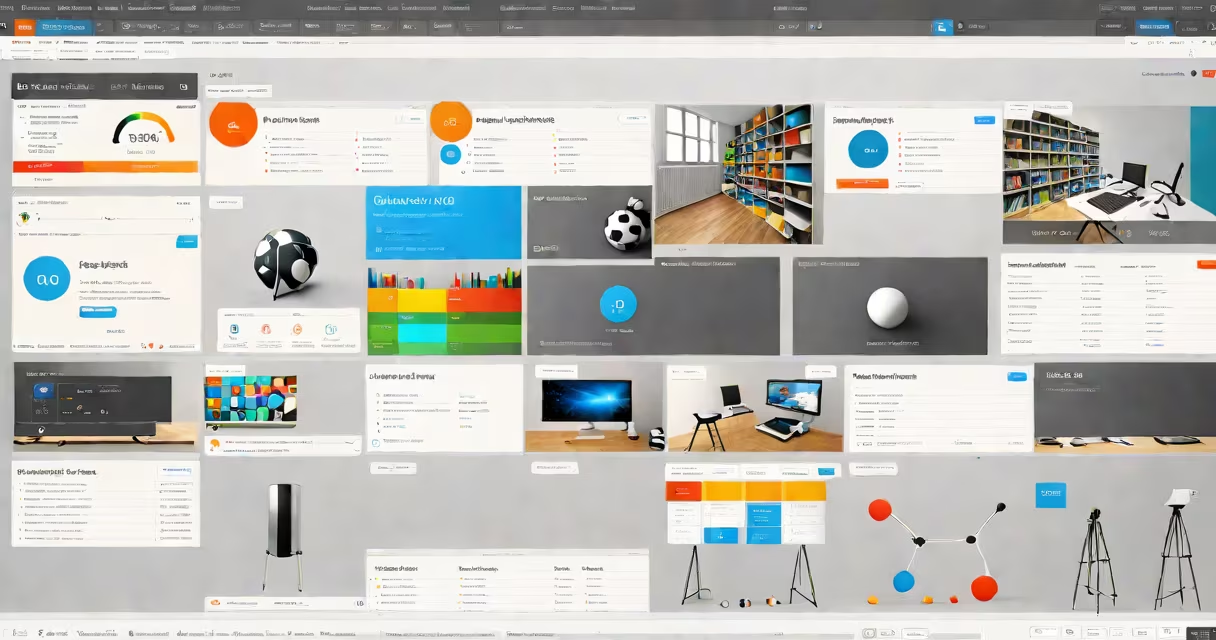
Eschool23 ESP K12 AR US is a virtual learning platform designed for K-12 schools, offering interactive tools for teachers and students. It provides a centralized hub for lesson delivery, student assessments, and progress tracking.
How it works
The platform operates through a web-based interface accessible via any device with internet connectivity. Teachers upload lessons, assignments, and resources, while students access these materials and submit work through the same portal. The system supports real-time feedback and communication between educators and learners.
Main features
Key components of eschool23 ESP K12 AR US include:
Lesson Management: Teachers create and organize lessons with multimedia elements like videos, documents, and quizzes.
Student Assessment: Built-in tools allow for creating and grading assignments, quizzes, and exams.
Progress Tracking: Both teachers and students can monitor academic performance through detailed analytics.
Communication Tools: Features like messaging and discussion forums help interaction between teachers and students.
Common use cases
Schools implement eschool23 ESP K12 AR US for various scenarios, including:
Distance Learning: Provides a structured environment for students learning remotely.
Blended Learning: Supports hybrid classrooms where students alternate between in-person and online instruction.
Supplemental Instruction: Offers additional resources and practice materials for students needing extra help.
Misconceptions
Getting started
To begin using eschool23 ESP K12 AR US, schools typically follow these steps:
Account Setup: Administrators create accounts for teachers and students.
Training: Staff receive training on how to use the platform's features.
Content Upload: Teachers populate the system with lessons and resources.
Student Access: Students log in and start engaging with the material.
One firsthand observation: When implementing this platform in a school district, the initial setup took about two weeks, including training sessions for 50 teachers. The most challenging part was ensuring all students had equal access to devices and reliable internet connections.