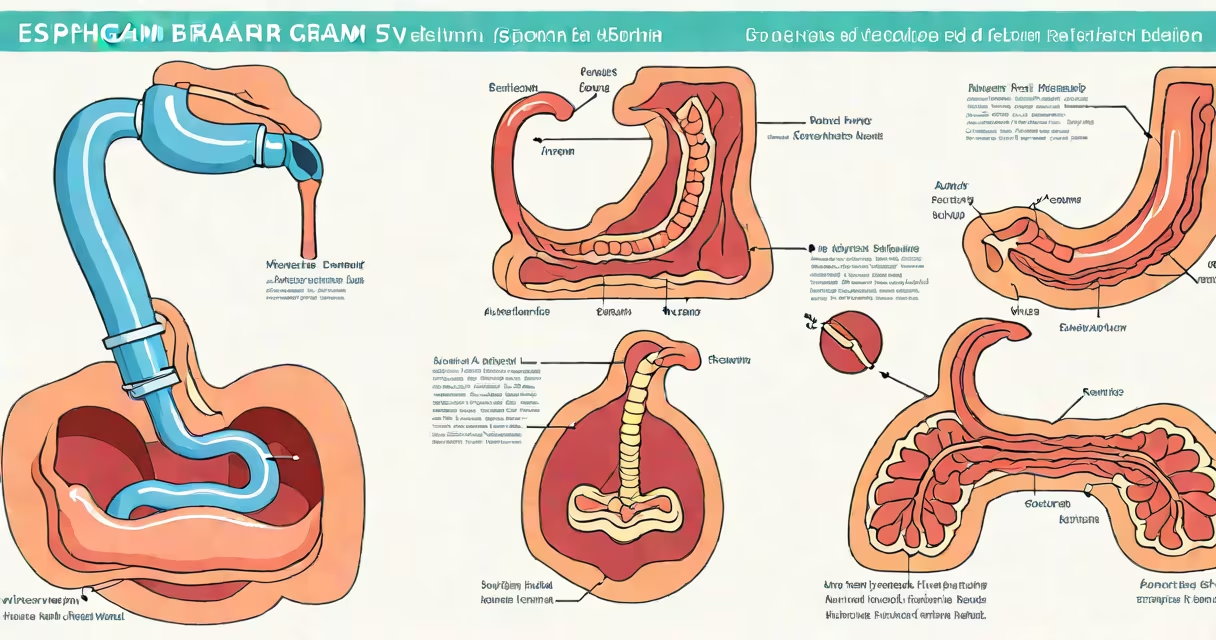
An esophagram and a barium swallow are both radiographic tests that use barium contrast to evaluate the swallowing process and structures of the esophagus. The esophagram is a specific type of barium swallow that focuses on the esophagus.
Both tests involve the patient swallowing a barium sulfate solution, which coats the lining of the esophagus and stomach. X-rays are then taken to capture images of the swallowing process. The barium helps show abnormalities that might not be visible on a standard X-ray.
The primary difference lies in the scope and focus of the tests:
| Test | Focus | Typical Use |
|---|---|---|
| Barium Swallow | Pharynx, esophagus, and upper stomach | General evaluation of swallowing difficulties |
| Esophagram | Esophagus and lower esophageal sphincter | Detailed examination of esophageal motility and structure |
Barium swallows are often used to diagnose conditions like gastroesophageal reflux disease (GERD) and hiatal hernias. Esophagrams are more commonly used to evaluate esophageal motility disorders, such as achalasia, and to assess the esophagus before surgeries like fundoplication.
One common misconception is that these tests are painful or invasive. In reality, they are non-invasive and generally well-tolerated. Patients may experience some discomfort from swallowing the barium solution, but the procedure itself is quick and straightforward.
Another misunderstanding is that these tests can replace endoscopy. While they provide valuable information about the structure and function of the esophagus, they do not replace the detailed visualization and biopsy capabilities of an endoscopy.
A patient presents with symptoms of difficulty swallowing and regurgitation. The physician orders a barium swallow to evaluate the pharynx and upper esophagus. The images reveal a potential issue with the upper esophageal sphincter. To get a more detailed look at the esophagus, an esophagram is then performed, confirming a diagnosis of achalasia.
While both esophagram and barium swallow tests use barium contrast to evaluate swallowing and esophageal function, they serve different purposes. A barium swallow provides a broader overview, while an esophagram offers a more detailed examination of the esophagus. Understanding these differences helps ensure the right test is ordered for the specific condition being investigated.