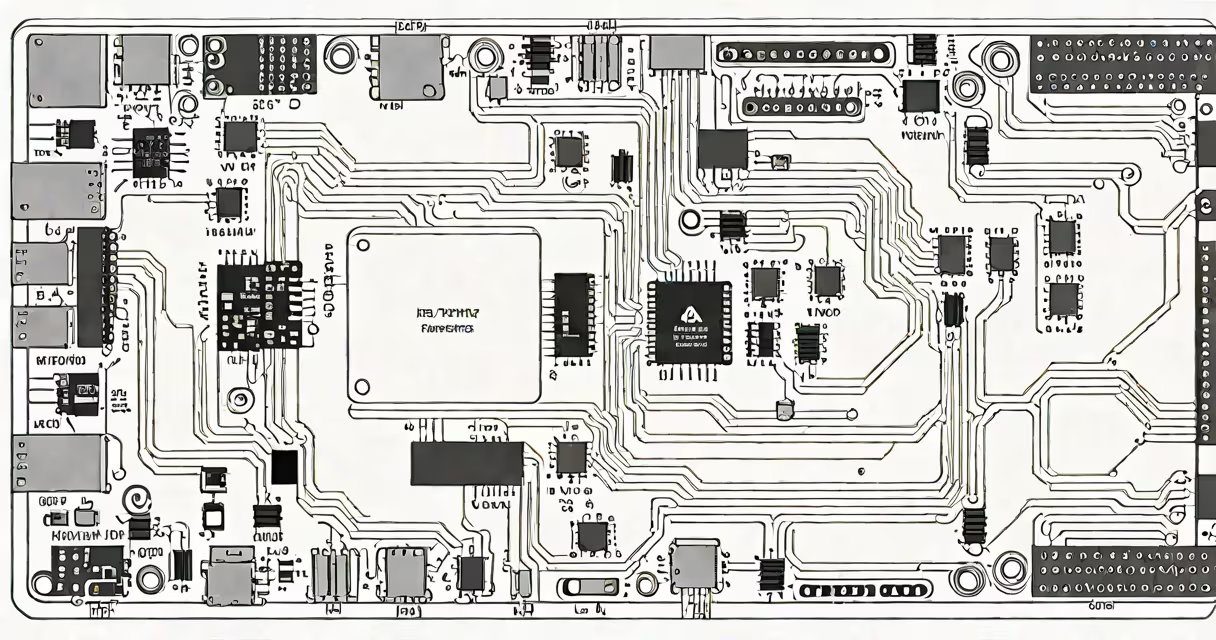
The ESP32 is a low-cost, versatile development board with built-in Wi-Fi and Bluetooth capabilities, ideal for creating Internet of Things (IoT) applications. These projects range from simple home automation to complex sensor networks.
The ESP32 microcontroller integrates dual-core processing, multiple GPIO pins, and support for various communication protocols. Its dual-mode Bluetooth (classic and BLE) and Wi-Fi enable smooth connectivity for IoT devices. The board's low power consumption makes it suitable for battery-operated projects.
ESP32 IoT projects typically fall into these categories:
The ESP32's combination of affordability, ease of use, and solid connectivity options makes it a popular choice for IoT developers. Its extensive community support and available libraries simplify project development. The board's ability to handle multiple tasks simultaneously, such as reading sensor data while maintaining a Wi-Fi connection, enhances its utility in IoT applications.
Some believe the ESP32 is only suitable for basic projects due to its low cost. However, it can handle complex tasks like running a web server, interfacing with multiple sensors, and managing wireless communications simultaneously. Another misconception is that it lacks security features. In reality, the ESP32 supports secure boot, flash encryption, and TLS for secure connections.
A practical ESP32 IoT project is a smart home automation system. This involves connecting the ESP32 to various sensors and actuators, such as motion detectors, temperature sensors, and relays for controlling lights and appliances. The ESP32 communicates with a cloud-based platform to allow remote control via a mobile app.
For instance, you can set up the ESP32 to turn on lights when motion is detected, adjust the thermostat based on temperature readings, and receive alerts if an unauthorized entry is detected. This project demonstrates the ESP32's capability to integrate multiple functionalities into a cohesive system.
To begin, you'll need an ESP32 development board, a USB cable for programming, and access to the Arduino IDE or ESP-IDF for coding. Start with simple projects like blinking an LED or reading a sensor value. Gradually move to more complex tasks like setting up Wi-Fi connections and interfacing with multiple sensors. Online tutorials and community forums provide valuable resources for troubleshooting and learning new techniques.