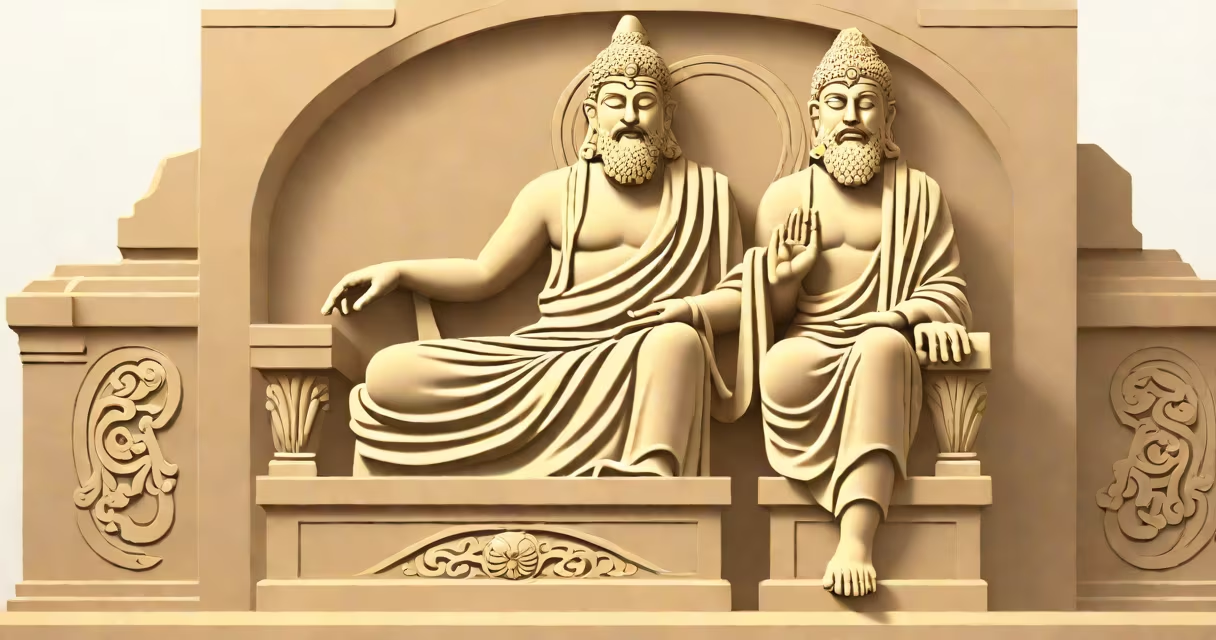
A false god is any deity worshipped instead of the one true God, typically represented by idols or man-made objects. These false gods appear throughout religious texts and historical records as objects of misplaced devotion.
False gods operate within religious systems as substitutes for the supreme being. Followers direct prayers, sacrifices, and rituals toward these false gods, believing they hold power over natural forces or human affairs. The Bible frequently warns against worshipping false gods, as seen in Exodus 20:3: "You shall have no other gods before me."
False gods generally fall into three categories:
For example, the ancient Egyptians worshipped Ra, the sun god, through idolatrous practices. The Bible identifies Baal as a prominent false god among the Canaanites (Judges 2:11-13).
False gods appear in nearly every ancient culture, often tied to local traditions or natural phenomena. People worship them for protection, fertility, or control over their environment. The Bible condemns this practice, as seen in Deuteronomy 5:7: "You shall not make for yourself an image in the form of anything in heaven above or on the earth beneath."
Many assume false gods are purely mythological, but they represent real historical practices. For instance, the Philistines worshipped Dagon, a grain god, which led to conflicts with the Israelites (1 Samuel 5:1-5)., false gods aren't always physical idols-they can also be abstract concepts elevated to divine status, such as wealth or power.
I once visited an archaeological site where ancient altars to false gods were uncovered. The sheer number of these sites highlights how widespread idolatry was in ancient times.
The false god meaning extends beyond ancient history. Even today, people may unknowingly place excessive focus on material possessions or personal ambitions, effectively treating them as false gods. Understanding this concept helps believers maintain spiritual focus and avoid idolatry in modern life.