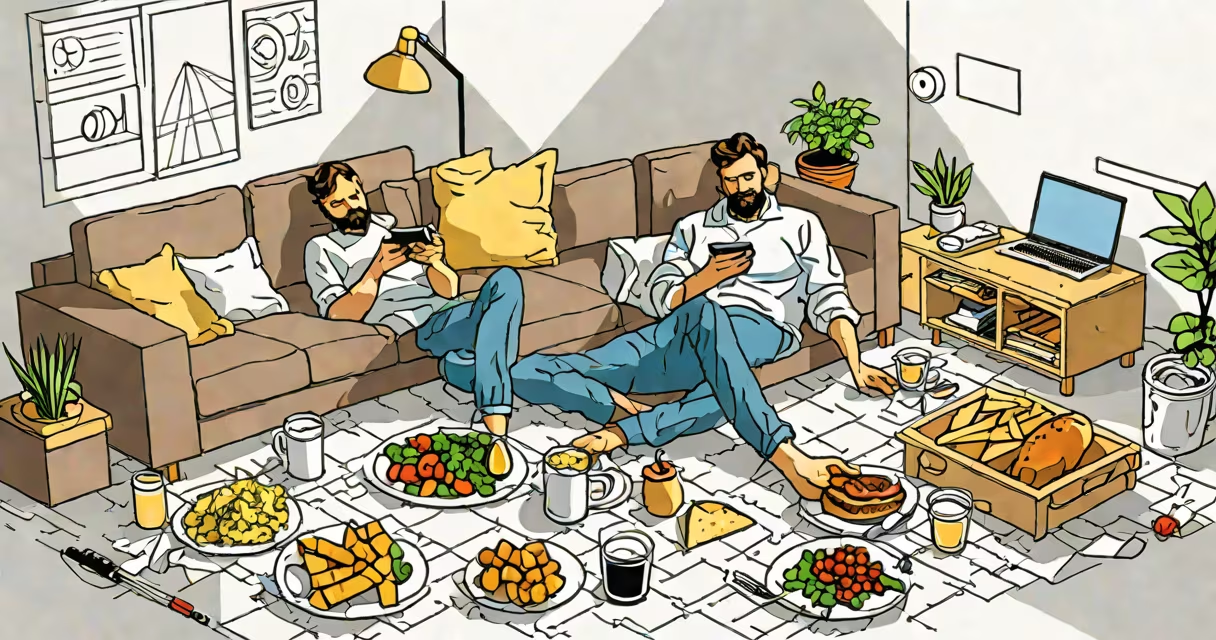
Feeling exhausted after eating, known as postprandial fatigue, is your body's normal response to digestion. This temporary energy dip occurs because your body redirects blood flow to your stomach and intestines, leaving less for muscles and the brain.
After you eat, your digestive system kicks into high gear. Blood vessels in your gut expand to accommodate increased blood flow, which helps break down food. This process diverts energy away from other parts of your body, including your brain, leading to that sluggish feeling.
Your body also releases insulin to manage blood sugar levels. A rapid drop in blood sugar after eating can contribute to fatigue., large meals high in carbohydrates or fats require more energy to digest, worsening the effect.
Certain foods are more likely to make you feel exhausted after eating:
Some research suggests that postprandial fatigue may also be linked to sleep disorders like sleep apnea. A study published in the journal Sleep Medicine Reviews found that people with sleep apnea often experience excessive daytime sleepiness, which can worsen after meals.
To reduce postprandial fatigue, try these strategies:
I noticed a big difference in my energy levels after switching to smaller, balanced meals. Instead of feeling like I needed a nap after lunch, I stayed alert and productive. Small changes can make a big difference.
Understanding why you feel exhausted after eating is the first step toward finding relief. By making mindful choices about what and how you eat, you can minimize fatigue and maintain steady energy levels throughout the day.