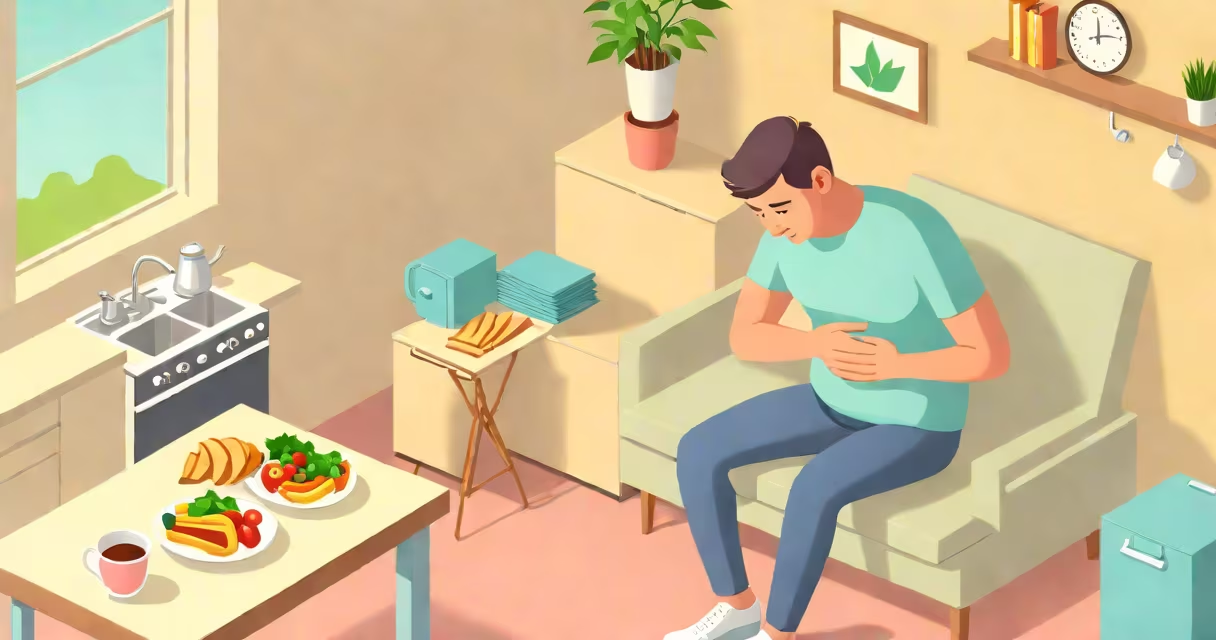
Feeling bloated and full after eating occurs when your digestive system struggles to process food efficiently, often due to overeating, food intolerances, or underlying conditions like irritable bowel syndrome (IBS). This discomfort can range and may persist for hours.
When you eat, your stomach stretches to accommodate food. Normally, digestion breaks down food gradually, but if your stomach stretches too quickly or digestion slows, it signals your brain to feel full and bloated. Gas production from undigested food can also contribute to bloating.
The most common causes include:
Many people assume bloating is always due to overeating. However, even small meals can cause bloating if they contain trigger foods like beans, broccoli, or carbonated drinks., stress and anxiety can slow digestion, worsening bloating.
To reduce bloating, try these strategies:
If symptoms persist, consult a healthcare provider to rule out conditions like IBS or SIBO. Probiotics and digestive enzymes may also help improve digestion.
Persistent bloating accompanied by weight loss, severe pain, or changes in bowel habits warrants medical attention. These symptoms could indicate conditions like celiac disease, ovarian cysts, or gastrointestinal infections.