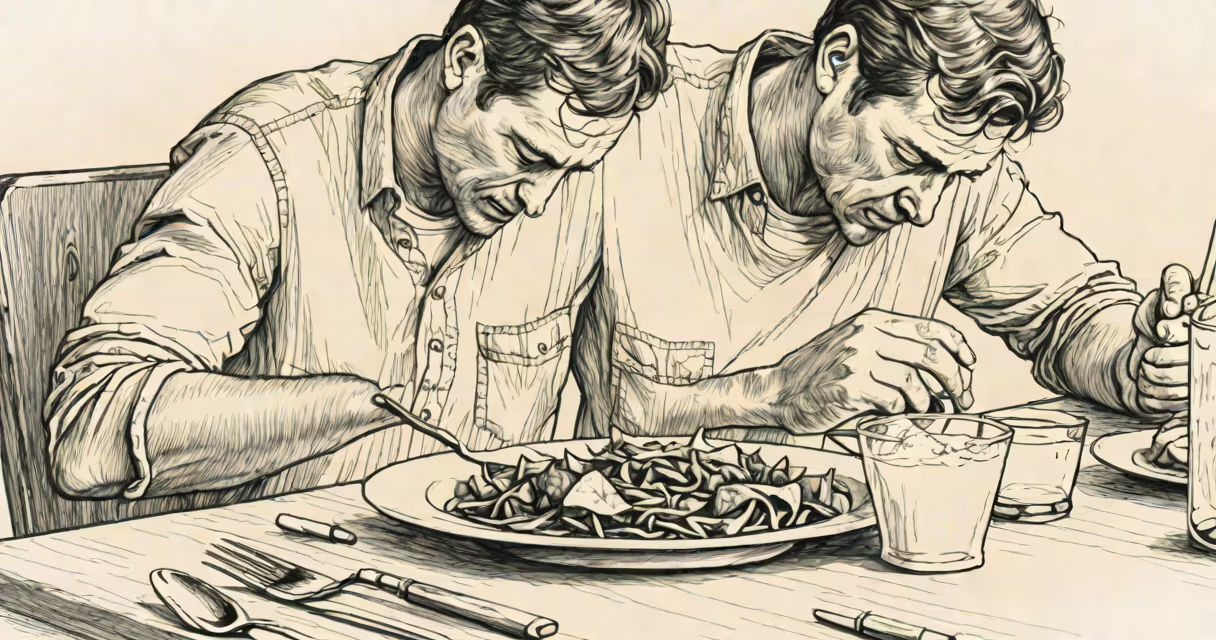
Feeling full too quickly, or early satiety, happens when your stomach feels uncomfortably full after eating small amounts. This common issue can stem from digestive conditions, eating habits, or psychological factors.
Your stomach stretches as you eat, sending signals to your brain about fullness. When this process happens too soon, it creates the sensation of being full before you've consumed enough food. Unlike normal fullness, this feeling often comes with discomfort, bloating, or even pain.
The most common causes of feeling full too quickly include:
People often confuse feeling full too quickly with constipation-related fullness, but the two differ. Constipation causes bloating and discomfort due to undigested food, while early satiety happens during or shortly after eating. Another misconception is that drinking water helps-while hydration is important, it won't resolve underlying digestive issues.
Adjusting eating habits can help. Eating smaller, more frequent meals and chewing slowly reduce air swallowing. For persistent issues, medical evaluation may identify conditions like gastroparesis or acid reflux. Over-the-counter remedies like simethicone can relieve bloating, but long-term relief requires addressing root causes.
I once experienced this after a stressful period. Eating mindfully and breaking meals into smaller portions helped. If symptoms persist, consulting a doctor ensures proper diagnosis and treatment.
If feeling full too quickly persists for weeks or affects nutrition, see a healthcare provider. Chronic cases may require medications or dietary changes. Early intervention prevents complications like malnutrition or dehydration.