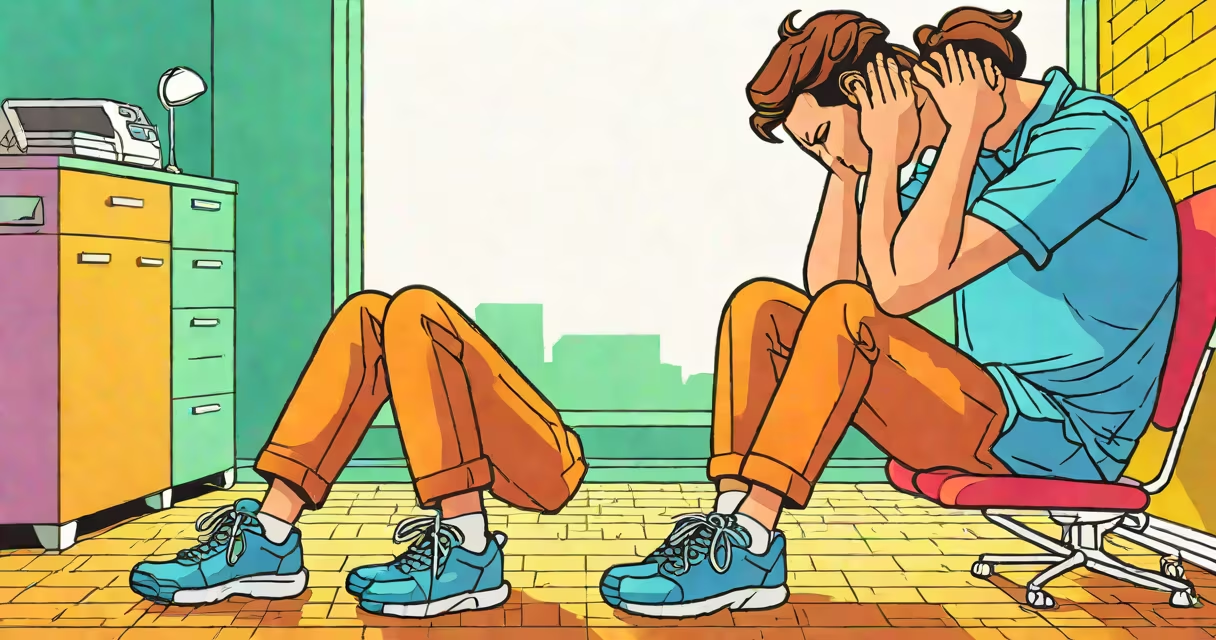
Feeling like you're going to faint usually results from low blood flow to the brain, often due to low blood pressure or dehydration. This sensation can last seconds or escalate to full unconsciousness.
When your brain doesn't receive enough oxygen-rich blood, it triggers a warning sign: dizziness or lightheadedness. This happens because your heart isn't pumping efficiently or your blood vessels aren't constricting properly. Common triggers include standing up too quickly, prolonged standing, or emotional stress.
The most common causes of feeling faint include:
Many people confuse feeling faint with anxiety or vertigo. While anxiety can cause dizziness, it rarely leads to fainting. Vertigo, caused by inner ear issues, creates a spinning sensation rather than the pre-faint lightheadedness.
If you feel like you're going to faint, act quickly:
If symptoms persist or worsen, seek medical attention. Chronic fainting may indicate an underlying condition like heart disease or neurological disorders.
Last summer, I stood in line for hours at an outdoor event under the sun. Suddenly, I felt lightheaded and my vision blurred. I sat down, lowered my head, and drank water. Within minutes, the sensation passed. The experience taught me the importance of staying hydrated and recognizing early signs of fainting.
Consult a healthcare provider if you frequently feel faint or experience additional symptoms like chest pain, irregular heartbeat, or confusion. These could indicate serious conditions requiring medical intervention.