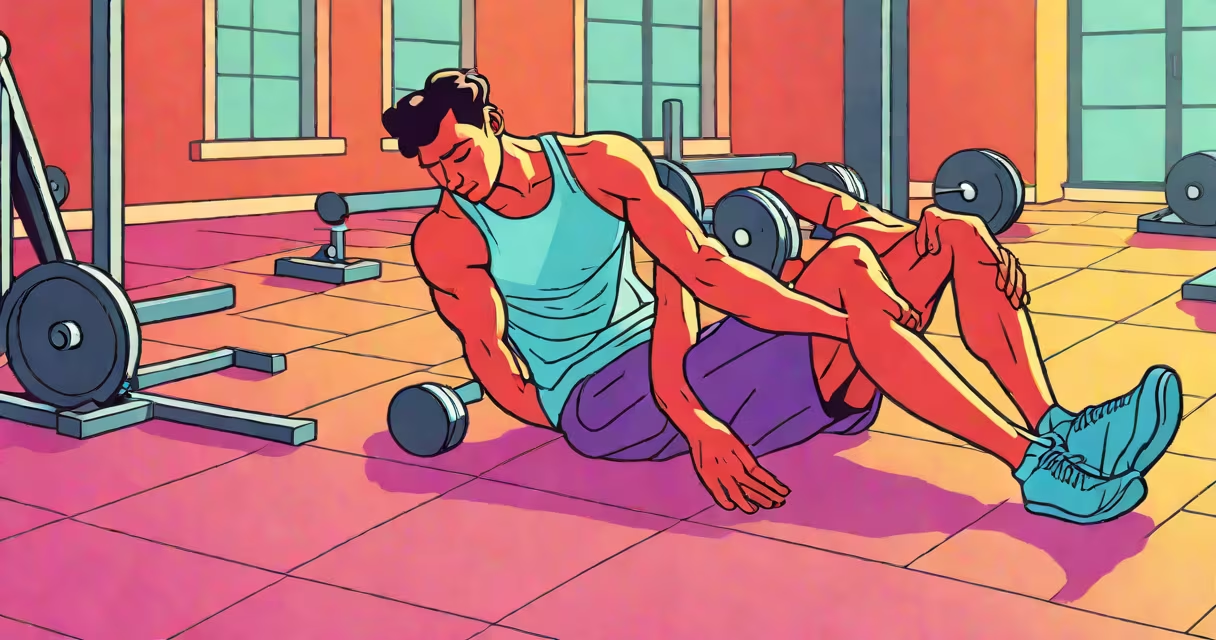
Feeling tired after exercise is your body's natural response to physical exertion. This fatigue results from muscle glycogen depletion, metabolic byproducts like lactic acid, and the nervous system's effort to manage movement. While some post-workout fatigue is expected, excessive tiredness may indicate overtraining or other health concerns.
During intense workouts, muscles use glycogen for energy. When glycogen depletes, fatigue sets in., exercise increases levels of ammonia and hydrogen ions, which can disrupt muscle contraction and contribute to that heavy, tired feeling. The nervous system also plays a role, as it constantly adjusts muscle activation patterns during exercise.
Post-exercise fatigue generally falls into three categories:
For example, after a hard cycling session, your leg muscles might feel weak and unresponsive (muscle fatigue), while your motivation to continue exercising drops (central fatigue).
While some fatigue is normal, you should pay attention if you experience:
To minimize post-exercise fatigue:
I noticed significant improvements in my recovery time when I started tracking my workouts and ensuring proper nutrition afterward. For instance, after a tough weightlifting session, drinking a protein shake and eating a banana helped me feel much better within an hour.
According to the American Council on Exercise, proper warm-ups and cool-downs can help reduce post-exercise fatigue by preparing muscles for activity and aiding in their recovery. The National Institutes of Health also recommend varying your exercise routine to prevent overuse injuries and excessive fatigue.