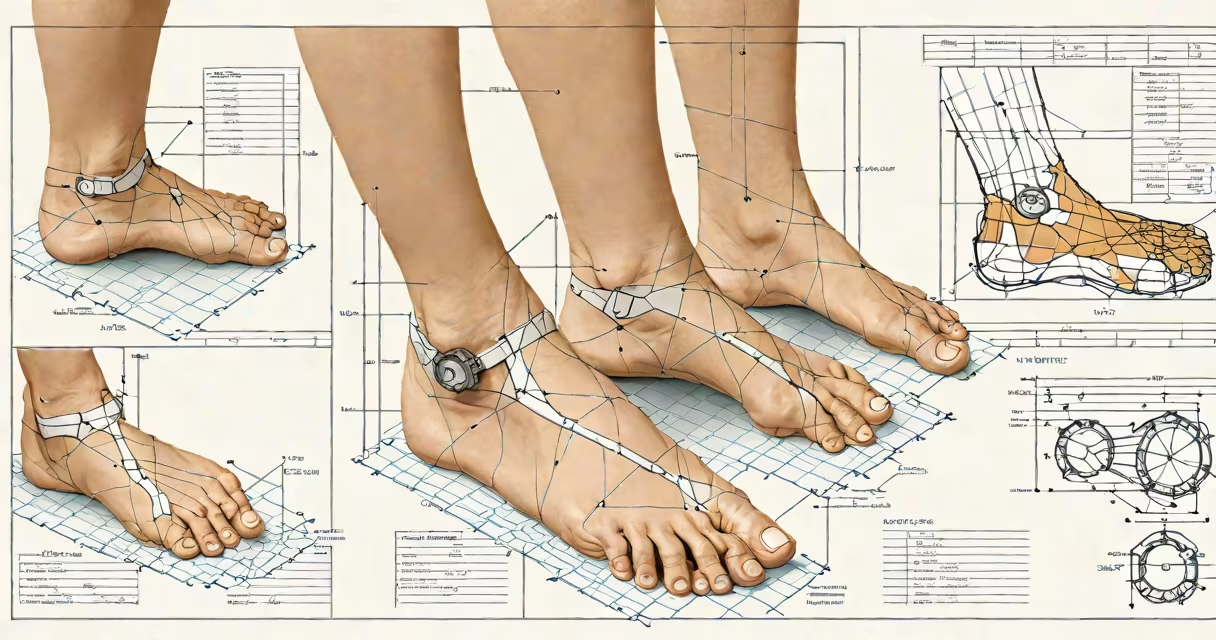
Feet swollen from water retention occurs when excess fluid builds up in your lower extremities, often due to gravity pulling fluids downward. This condition, known as peripheral edema, can affect anyone but becomes more common with age or certain medical conditions.
Your body naturally retains some fluid, but problems arise when too much accumulates in tissues. The lymphatic system usually removes this extra fluid, but when overwhelmed, swelling results. Feet and ankles are common sites because they're farthest from the heart, making fluid drainage harder.
The most frequent causes of swollen feet from water retention include:
Occasional swelling is usually harmless, but persistent or severe cases may indicate an underlying issue. Seek medical attention if swelling is sudden, painful, or accompanied by other symptoms like shortness of breath, chest pain, or skin discoloration. A doctor can determine whether the swelling is due to a treatable condition or requires long-term management.
Mild cases often improve with lifestyle changes:
For chronic cases, doctors may prescribe diuretics or address underlying conditions like heart or kidney disease.
To minimize swelling risks:
While occasional swelling is normal, persistent or worsening cases should be evaluated by a healthcare provider. Understanding the causes and treatments of feet swollen from water retention helps you take proactive steps to manage discomfort and prevent complications.