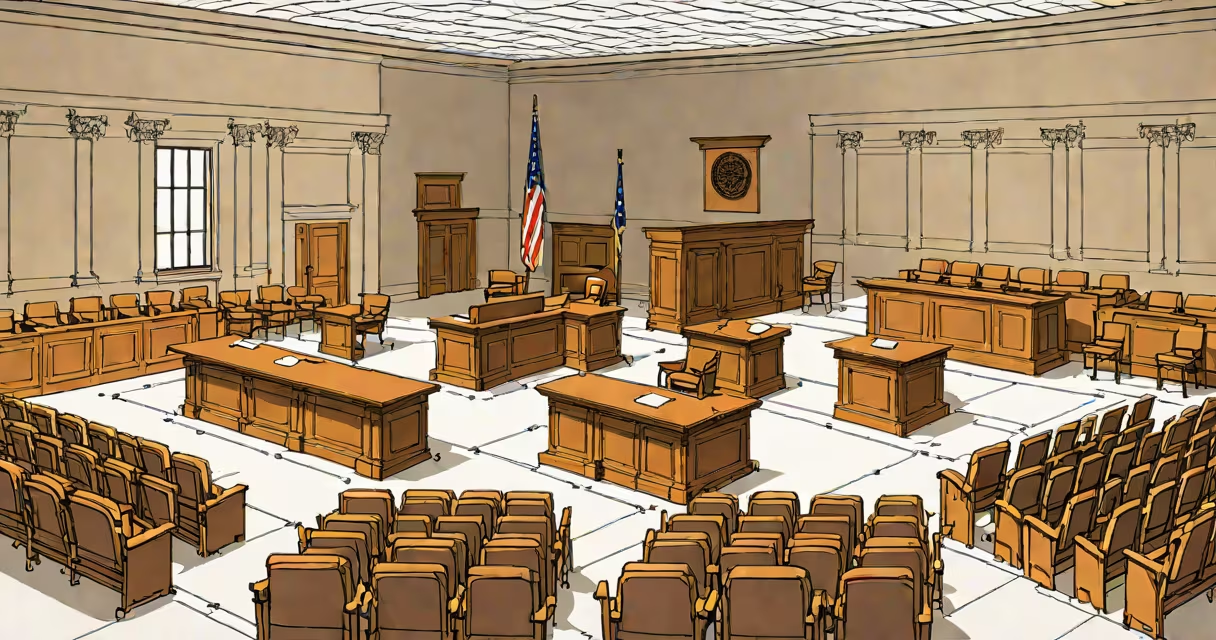
To find court or tribunal, locate the specific legal institution responsible for your case type and jurisdiction. This involves determining whether your matter falls under civil, criminal, family, or administrative law, then identifying the appropriate venue.
Courts handle disputes between parties (civil cases), violations of laws (criminal cases), and family matters like divorce. Tribunals specialize in areas like tax appeals, labor disputes, or regulatory violations. Both operate within strict geographic boundaries called jurisdictions.
Courts follow common law or statutory procedures with judges making decisions. Tribunals often have specialized members and more flexible rules. For example, the U.S. Tax Court handles tax disputes while the Equal Employment Opportunity Commission resolves workplace discrimination claims.
Most countries organize courts hierarchically. In the U.S., federal courts handle constitutional issues while state courts manage local matters. The UK has magistrates' courts, county courts, and the High Court. Canada's system includes provincial courts and the Federal Court.
For civil cases, locate your county or district court using official government websites. Criminal cases typically go through local courts where the offense occurred. Family courts handle custody and divorce proceedings. Administrative tribunals often have dedicated offices for their specialized areas.
People often confuse courts with tribunals, thinking all legal disputes go through traditional courts. In reality, many specialized matters go to tribunals with different procedures. Another mistake is assuming higher courts handle all serious cases - lower courts frequently resolve major disputes before appeal.
I once helped a small business owner file a tax dispute. After confirming it was a tax matter, we submitted forms to the IRS Appeals Office rather than a traditional court. The process moved faster through this specialized tribunal than it would have in regular court.
Determine your case type first. Check filing deadlines and required documents. Some courts require e-filing while others accept paper submissions. Fees vary by court and case type. Small claims courts often have lower fees and simpler procedures than higher courts.
The European Commission's SOLVIT service helps resolve cross-border disputes within the EU. Many countries offer legal aid for those who can't afford court fees. Some tribunals provide free mediation services as alternatives to formal hearings.
Identify your case type and jurisdiction. Use official government resources to locate the correct court or tribunal. Prepare necessary documentation and submit your filing according to the specific venue's requirements. Consult legal aid if you need assistance with the process.