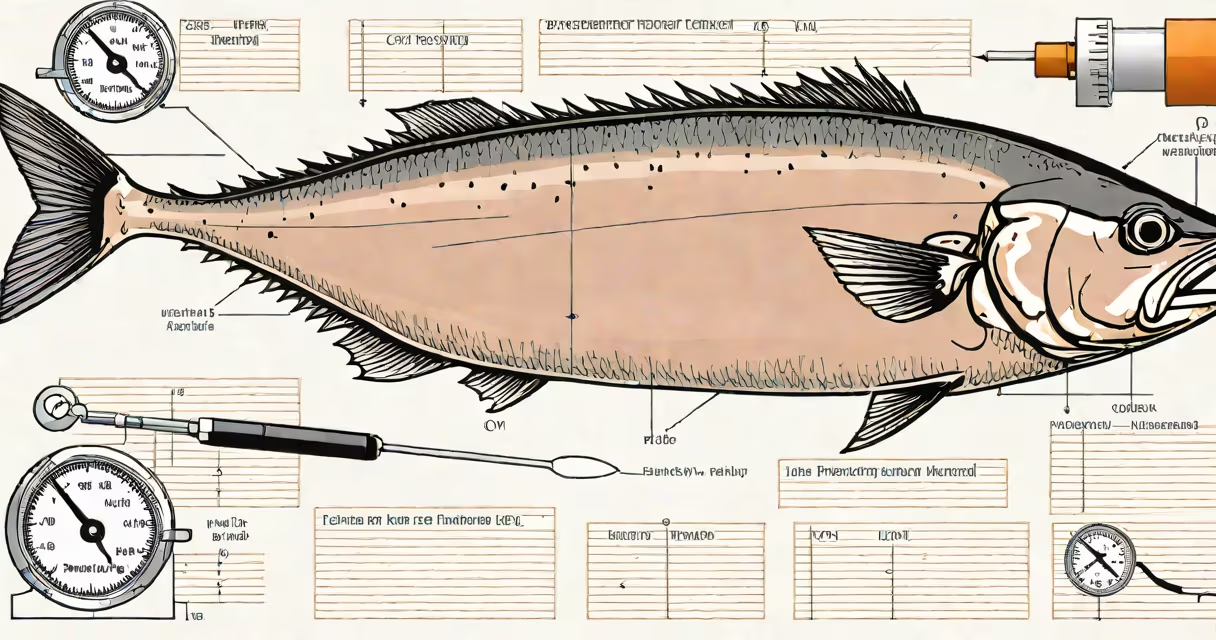
Certain fish contain high levels of mercury, a toxic metal that accumulates in their bodies through pollution. Predatory fish, especially large ones, tend to have the highest mercury concentrations because they consume smaller contaminated fish.
Mercury enters waterways through industrial pollution and natural processes. Bacteria convert it into methylmercury, which builds up in fish tissues. Larger fish accumulate more mercury as they eat smaller, contaminated fish. The U.S. Geological Survey reports that mercury levels in fish vary widely by species, location, and size.
The FDA and EPA advise limiting consumption of fish with high mercury levels. These include:
High mercury intake can harm the nervous system, especially in developing fetuses and young children. Symptoms of mercury poisoning include cognitive impairment, developmental delays, and motor skill issues. The CDC warns that pregnant women and nursing mothers should avoid high-mercury fish entirely.
Low-mercury fish options include salmon, sardines, and tilapia. These fish are safer for regular consumption, especially for vulnerable groups. The FDA recommends eating 2-3 servings of low-mercury fish per week for optimal health benefits without excessive mercury exposure.
Many people assume all large fish contain dangerous mercury levels, but this isn't always true. For example, farmed salmon typically has lower mercury levels than wild salmon, though the latter is still considered safe in moderation. The key is knowing which species are riskier and choosing alternatives wisely.