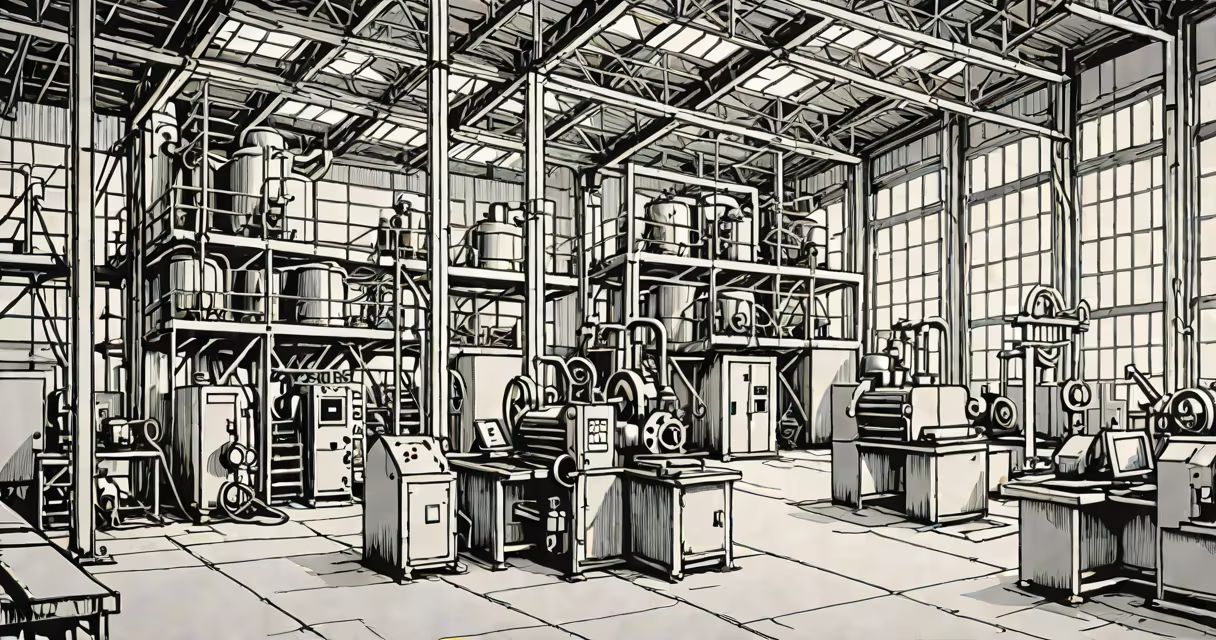
A fixed asset in accounting is a long-term physical or intangible resource owned by a business that provides economic benefits over multiple years. These assets are not easily converted to cash and are used to generate revenue.
Fixed assets are recorded on a company's balance sheet under property, plant, and equipment (PP&E). Unlike current assets, which are expected to be sold or used within a year, fixed assets are held for extended periods. Businesses capitalize these assets, meaning they record them as expenses over their useful life through a process called depreciation.
| Type | Examples | Useful Life |
|---|---|---|
| Tangible Assets | Buildings, machinery, vehicles, furniture | 5-50 years |
| Intangible Assets | Patents, trademarks, copyrights | 10-indefinite years |
| Natural Resources | Minerals, timber, oil reserves | Varies by depletion rate |
Fixed assets are important for operational capacity and revenue generation. For example, a manufacturing company relies on machinery to produce goods, while a retail business depends on its store locations. Properly tracking these assets ensures accurate financial reporting and tax compliance.
Depreciation spreads the cost of a fixed asset over its useful life. For instance, if a company buys a $100,000 machine with a 10-year lifespan, it records $10,000 in depreciation expense annually. This method matches the expense to the revenue generated by the asset.
Many people confuse fixed assets with current assets, which are short-term resources like inventory or cash. Fixed assets are not intended for quick sale or conversion to cash., some assume all long-term purchases qualify as fixed assets, but only those providing economic benefits over time fit the definition.
Another mistake is overlooking intangible assets as fixed assets. While patents and trademarks don't have a physical form, they offer long-term value and are subject to amortization rather than depreciation.
When a tech startup purchases a server costing $50,000 with a 5-year useful life, it records the server as a fixed asset. The company then depreciates the server at $10,000 per year. This approach ensures the expense aligns with the revenue generated by the server over its lifespan.