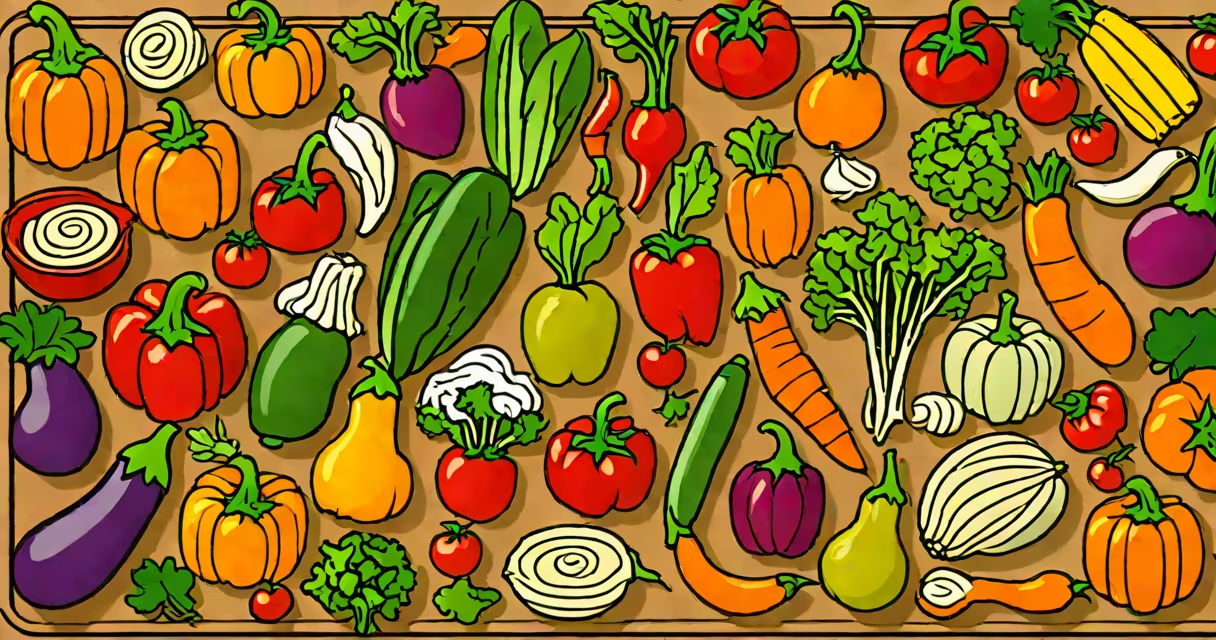
FODMAP safe vegetables are low-FODMAP foods that don't trigger digestive symptoms like bloating, gas, or diarrhea in people with irritable bowel syndrome (IBS). These vegetables contain minimal fermentable carbs, making them gentler on sensitive stomachs.
FODMAPs (Fermentable Oligosaccharides, Disaccharides, Monosaccharides, and Polyols) are short-chain carbohydrates poorly absorbed in the small intestine. They draw water into the gut and are rapidly fermented by gut bacteria, causing gas, bloating, and discomfort. Vegetables high in FODMAPs exacerbate IBS symptoms, while low-FODMAP vegetables are better tolerated.
The safest vegetables for a low-FODMAP diet include leafy greens, bell peppers, zucchini, and carrots. These vegetables are low in fermentable carbs and high in nutrients, making them ideal for IBS management. Below is a table of common FODMAP-safe vegetables:
| Vegetable | Serving Size | Notes |
|---|---|---|
| Spinach | Unlimited | High in iron and vitamin K |
| Bell Peppers | 1 cup raw | Rich in vitamin C |
| Zucchini | 1 cup sliced | Low in calories, high in water content |
| Carrots | 1 cup cooked | Good source of beta-carotene |
For people with IBS, consuming FODMAP-safe vegetables helps reduce symptoms like abdominal pain, bloating, and altered bowel habits. A study published in the journal Gastroenterology found that a low-FODMAP diet improved symptoms in 75% of IBS patients. These vegetables provide essential vitamins and minerals without triggering digestive distress.
Many assume all vegetables are safe for IBS sufferers, but high-FODMAP vegetables like onions, garlic, and cauliflower can worsen symptoms. Another misconception is that FODMAP-safe vegetables lack nutritional value. In reality, they are packed with nutrients and fiber, supporting health. For example, spinach is rich in iron and vitamin K, important for blood health and bone metabolism.
I once prepared a meal using only FODMAP-safe vegetables for a friend with IBS. The dish included spinach, bell peppers, zucchini, and carrots, seasoned with herbs and olive oil. My friend reported no digestive discomfort afterward, confirming the effectiveness of these vegetables in managing IBS symptoms.
FODMAP safe vegetables are essential for managing IBS and maintaining digestive health. By incorporating low-FODMAP vegetables into your diet, you can enjoy nutrient-rich meals without triggering uncomfortable symptoms. Always consult a healthcare provider or dietitian for personalized advice on managing IBS through diet.