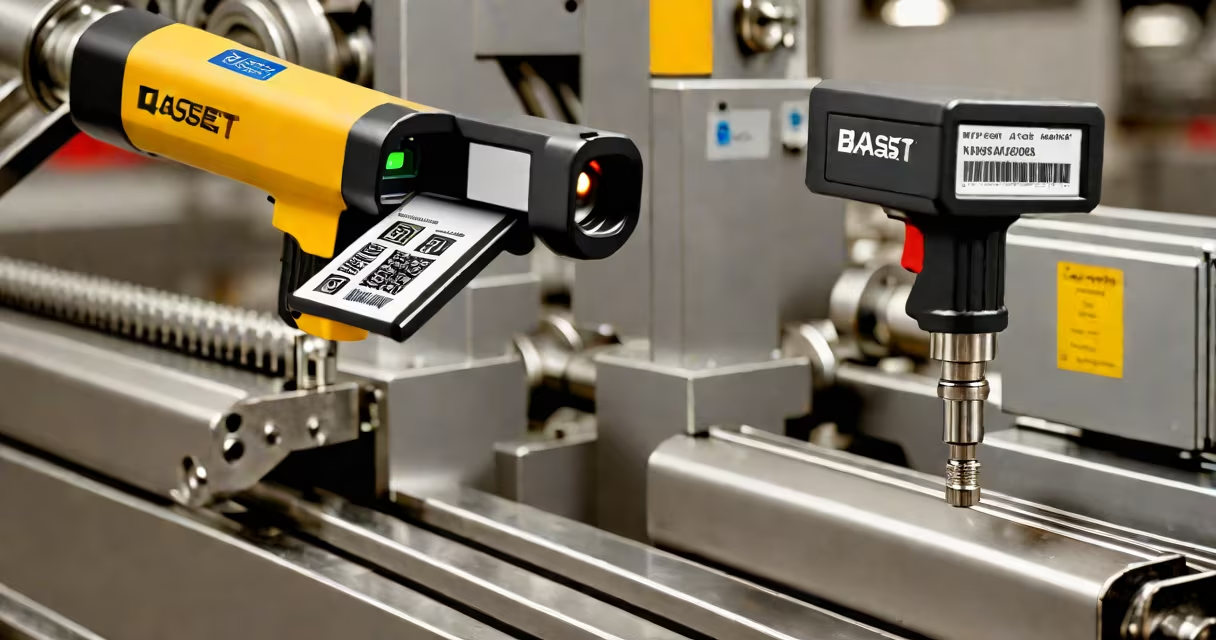
Fixed asset tracking is the process of monitoring long-term physical assets throughout their lifecycle using technologies like barcodes, GPS, or RFID. Businesses use it to maintain accurate records, prevent loss, and manage depreciation.
Companies assign unique identifiers to each asset, then log its location, condition, and maintenance history. When an asset moves, the system updates its status automatically. For example, a manufacturing plant might scan a barcode on a machine during routine inspections.
Most tracked assets fall into these categories:
| Asset Type | Examples | Tracking Method |
|---|---|---|
| Equipment | Computers, vehicles, machinery | Barcode/RFID |
| Infrastructure | Buildings, furniture | GPS/Manual |
| Fixtures | Office partitions, specialized tools | Barcode |
Note that intangible assets like patents aren't tracked this way - they require different accounting methods.
According to a 2022 Gartner study, companies lose 5-10% of assets annually without proper tracking. Effective systems reduce this by providing real-time visibility. A hospital might track expensive medical equipment to ensure availability during emergencies.
Many confuse fixed asset tracking with inventory management. The key difference is that inventory involves short-term goods for sale, while fixed assets are long-term property used to operate the business. Both require careful recordkeeping, but the methodologies differ.
One common mistake is underestimating the time required for initial asset tagging. I once worked with a school district that allocated only two weeks to tag all computers, buses, and classroom equipment - they needed six weeks instead. Proper planning prevents delays.
For businesses ready to implement, start by defining your fixed assets. Then choose appropriate tracking technology based on your specific needs and budget.