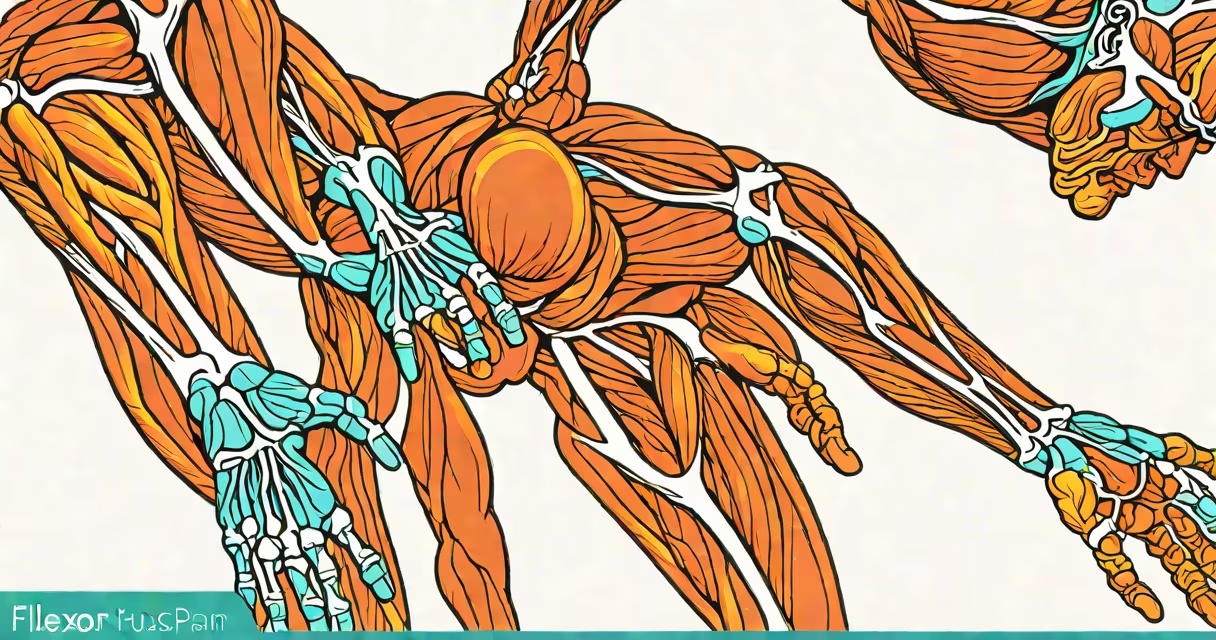
Flexor muscle pain occurs when the muscles that bend joints become strained or inflamed, typically from repetitive motions or overuse. These muscles contract to move limbs toward the body, and pain arises when they're overworked or injured.
Flexor muscles work by contracting to pull bones closer together, enabling movement. For example, the biceps brachii flexes the elbow, while the iliopsoas flexes the hip. When these muscles are overused or strained, they can become painful and limit mobility.
| Type | Common Causes | Examples |
|---|---|---|
| Acute Strain | Sudden, forceful movement | Lifting heavy objects |
| Chronic Overuse | Repetitive motions | Typing, assembly line work |
| Trigger Points | Muscle knots from tension | Sitting too long |
According to the American Academy of Orthopaedic Surgeons, repetitive motions can cause microtears in muscle fibers, leading to inflammation and pain. This is common among athletes and those with physically demanding jobs.
To relieve flexor muscle pain, rest the affected area and apply ice for the first 48 hours. Gentle stretching and over-the-counter pain relievers can also help. Prevention involves proper warm-up before exercise, maintaining good posture, and taking regular breaks during repetitive tasks.
I once experienced severe forearm flexor pain from intense rock climbing. Resting and using a wrist brace for support helped alleviate the discomfort within a week. Proper technique and gradual progression in training could have prevented the issue.