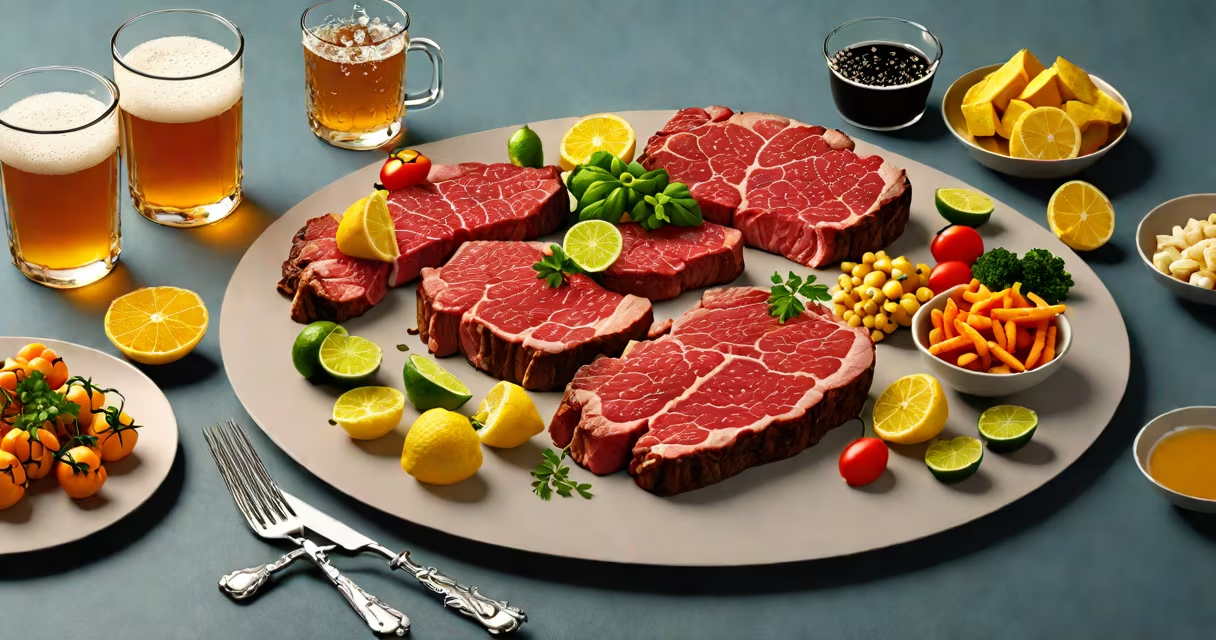
Certain foods increase uric acid production because they contain high levels of purines, which break down into uric acid. These foods are often associated with gout flare-ups and elevated uric acid levels.
Purines are natural compounds found in many foods. When your body breaks down purines, it produces uric acid as a byproduct. Normally, uric acid dissolves in the blood and passes through the kidneys into urine. However, if your body produces too much uric acid or your kidneys can't eliminate it efficiently, uric acid can build up and form sharp crystals in joints, leading to gout.
The highest-purine foods include:
Diet plays a significant role in managing uric acid levels. While genetics and other factors contribute to hyperuricemia (high uric acid), reducing intake of high-purine foods can help lower uric acid production. For example, a study published in the Journal of Rheumatology found that participants who reduced their purine intake saw a measurable decrease in uric acid levels within weeks.
One common misconception is that all proteins raise uric acid equally. However, plant-based proteins like beans, lentils, and tofu have lower purine levels than animal proteins. A serving of lentils contains about 12 mg of purines, while the same portion of beef contains around 96 mg.
Consider a typical dinner plate with grilled steak, shrimp, and beer. The steak contributes roughly 150 mg of purines, the shrimp adds another 100 mg, and the beer introduces an additional 50 mg. Together, this meal delivers 300 mg of purines, which the body converts into uric acid. For someone prone to gout, this could trigger a flare-up within hours.
To reduce uric acid levels, focus on low-purine foods like eggs, low-fat dairy, and most vegetables. Stay hydrated, as water helps flush out excess uric acid. Alcohol, particularly beer, should be limited or avoided entirely. If you're concerned about your uric acid levels, consult a healthcare provider for personalized advice.