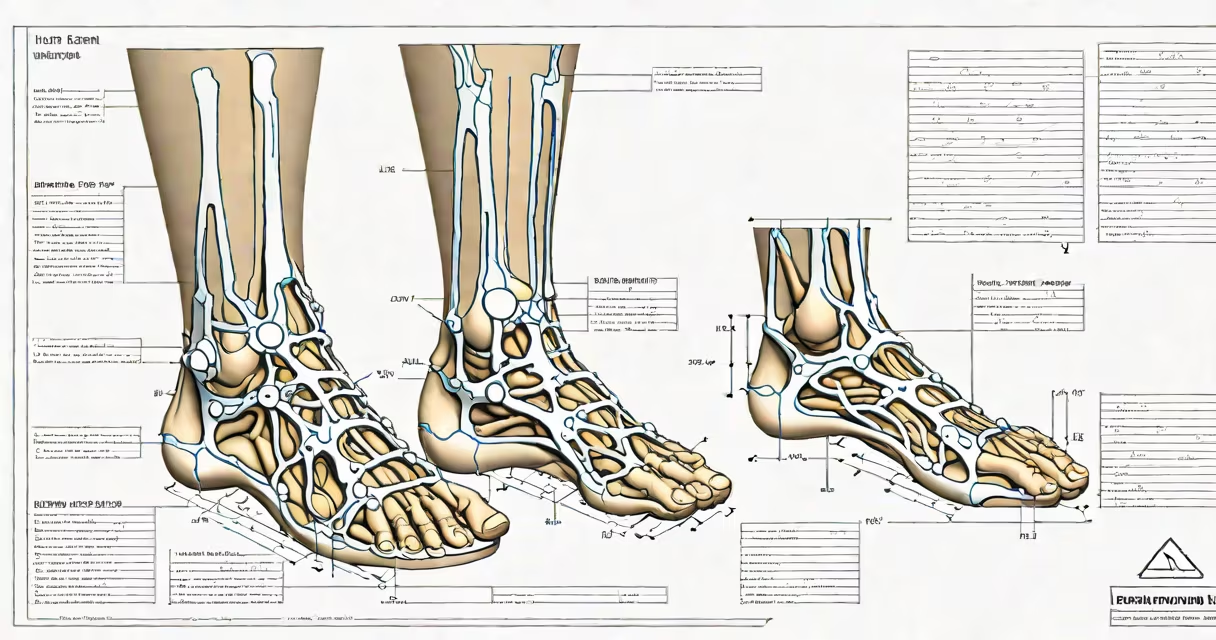
Fluid on ankle bone, or ankle edema, occurs when excess fluid accumulates around the ankle joint, causing swelling, pain, and reduced mobility. This condition often results from injury, inflammation, or underlying medical issues.
When fluid builds up in the soft tissues around the ankle bone, it puts pressure on the joint, leading to discomfort and restricted movement. The ankle joint consists of bones, cartilage, ligaments, and tendons. When injured or inflamed, the body responds by increasing blood flow to the area, which can lead to fluid leakage into the surrounding tissues.
The most common causes of fluid on ankle bone include:
Symptoms of fluid on ankle bone typically include:
In severe cases, the skin may appear stretched or shiny due to the accumulation of fluid.
Many people confuse fluid on ankle bone with general ankle pain or assume it's always due to injury. However, it can also result from systemic conditions like heart or kidney problems. For example, a person with heart failure may experience swelling in both ankles due to fluid retention, even without direct injury to the joint.
Treatment depends on the underlying cause. Common approaches include:
If the swelling persists or worsens, consulting a healthcare provider is essential to rule out serious conditions.
Seek medical attention if:
These symptoms could indicate a more serious issue, such as an infection or a blood clot.
To prevent fluid buildup in the ankle:
Fluid on ankle bone is a common issue that can result from various causes. Understanding the symptoms and treatment options can help manage the condition effectively. If swelling persists, consulting a healthcare professional is important to identify and address the underlying cause.