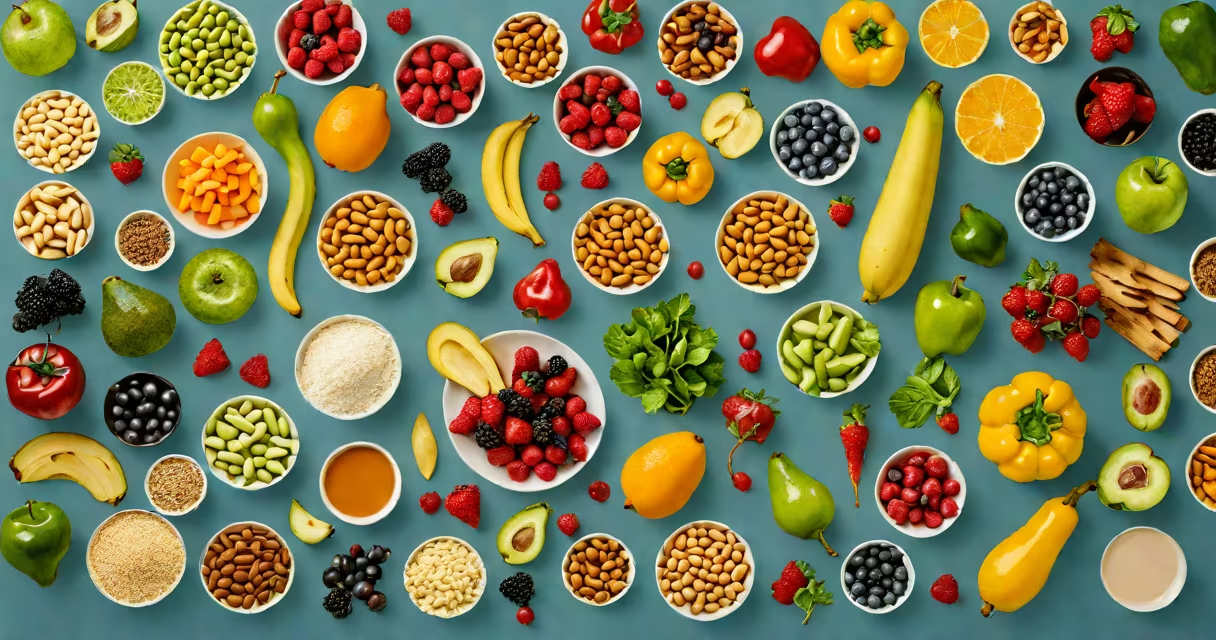
A FODMAP diet restricts fermentable carbs like fructose, lactose, and polyols to ease digestive issues. Avoid high-FODMAP foods such as wheat, garlic, onions, apples, and beans.
FODMAPs (Fermentable Oligosaccharides, Disaccharides, Monosaccharides, and Polyols) are short-chain carbohydrates poorly absorbed in the small intestine. They draw water into the gut and ferment, causing gas, bloating, and pain in people with irritable bowel syndrome (IBS). The diet's elimination phase removes these triggers.
The worst offenders fall into five categories:
Many assume all fruits are safe, but stone fruits (peaches, plums) and berries (blackberries, raspberries) are high-FODMAP. Others overlook hidden triggers like garlic powder in sauces or honey in dressings. Even "healthy" foods like asparagus and avocados can cause issues.
Some confuse FODMAPs with gluten sensitivity. While wheat contains fructans, gluten itself isn't the problem. A 2017 study in Gastroenterology found FODMAPs, not gluten, triggered symptoms in non-celiac patients.
Breakfast: Toast with peanut butter and apple slices (wheat, fructose) Lunch: Chicken stir-fry with bell peppers, garlic, and onions (fructans, galactans) Dinner: Spaghetti with tomato sauce, garlic bread, and ice cream (lactose, fructans)
Each meal contains multiple high-FODMAP ingredients. A safer alternative might include rice cakes, lactose-free yogurt, and carrots.
After eliminating high-FODMAP foods for 2-6 weeks, reintroduce them systematically. This identifies personal triggers. A 2014 study in Journal of Gastroenterology and Hepatology found 75% of IBS patients improved on the diet.