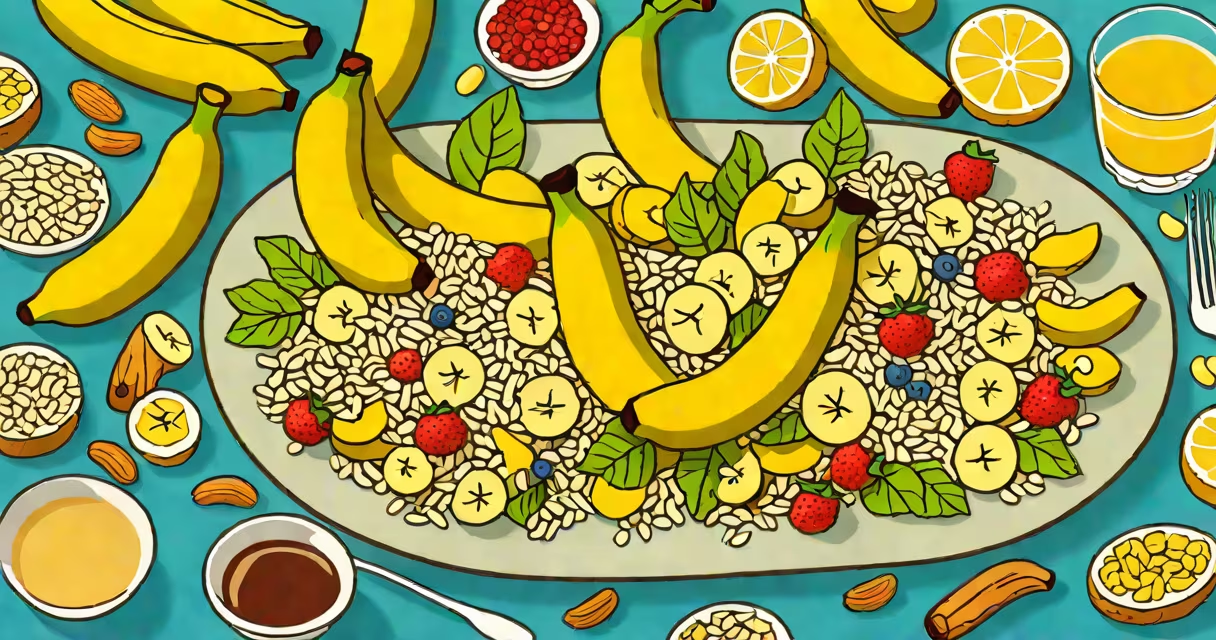
Food good for gas includes low-FODMAP options like bananas, ginger, and oatmeal that ease bloating and discomfort. These foods help reduce gas production in the gut while providing essential nutrients.
Gas-producing foods often contain fermentable carbohydrates called FODMAPs (Fermentable Oligosaccharides, Disaccharides, Monosaccharides, and Polyols). These carbs draw water into the intestines and are fermented by gut bacteria, producing gas. Low-FODMAP foods minimize this effect.
The best foods for gas relief fall into several categories:
Avoid high-FODMAP foods like beans, cabbage, and carbonated drinks, which worsen gas. Even healthy foods like apples and broccoli can cause issues for some people.
Many believe that all fiber causes gas, but soluble fiber (found in oats and bananas) actually helps regulate digestion. Insoluble fiber (like that in whole wheat) is more likely to cause bloating.
Another myth is that drinking water increases gas. While water itself doesn't produce gas, it helps move food through the digestive system, reducing the risk of bloating when paired with the right foods.
Breakfast: Oatmeal with sliced bananas and a sprinkle of cinnamon
Lunch: Grilled chicken with spinach salad and olive oil dressing
Dinner: Baked salmon with steamed carrots and quinoil
Snacks: Greek yogurt with blueberries or a handful of walnuts
This meal plan avoids common gas triggers while providing balanced nutrition. The low-FODMAP choices minimize bloating, while probiotic foods support gut health.
Last year, I tested this approach during a week of travel when my usual routine was disrupted. By focusing on low-FODMAP foods and avoiding common triggers, I noticed less discomfort. The biggest difference came from replacing my usual apple snack with blueberries.