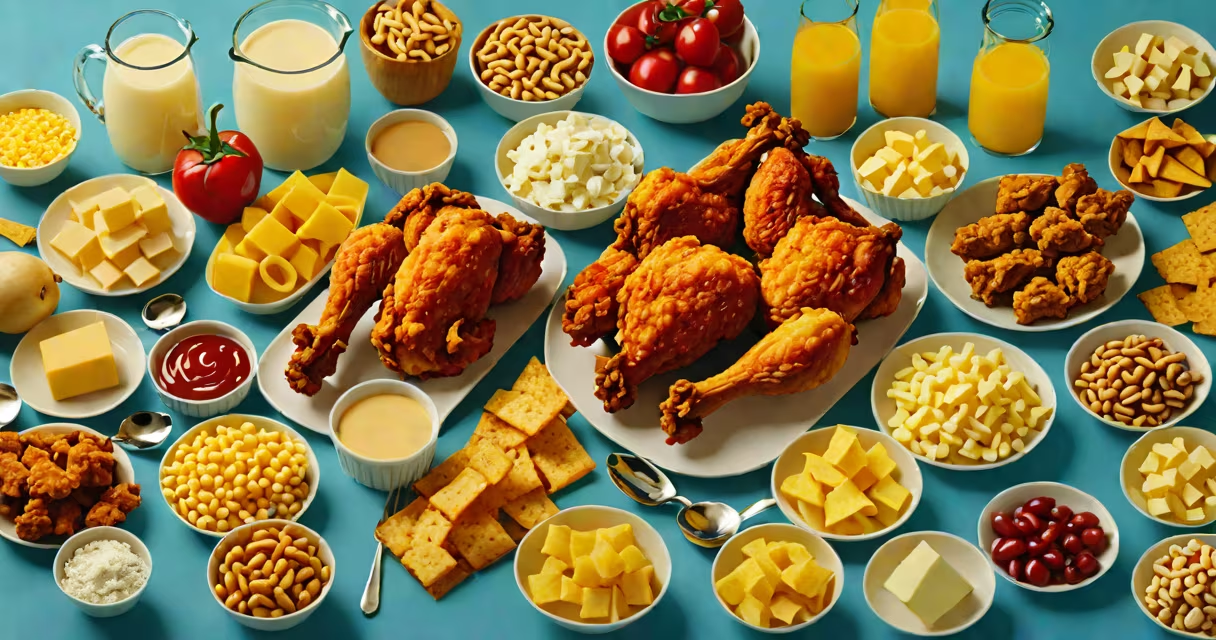
To lower cholesterol, avoid foods high in saturated fats, trans fats, and dietary cholesterol. These include fatty cuts of meat, full-fat dairy, fried foods, and processed snacks.
Diet is important for managing cholesterol levels. Consuming too many foods high in saturated fats and trans fats can raise low-density lipoprotein (LDL) cholesterol, often called "bad" cholesterol. This increases the risk of heart disease and stroke.
The worst offenders for raising cholesterol fall into several categories:
Here are some specific examples of foods to limit or avoid:
| Food Category | Examples |
|---|---|
| Meats | Fatty cuts of beef, pork, and lamb; processed meats like sausage, hot dogs, and bacon |
| Dairy | Butter, whole milk, cream, cheese, and ice cream |
| Fried Foods | French fries, fried chicken, onion rings, and other deep-fried items |
| Baked Goods | Cookies, cakes, pastries, and doughnuts made with partially hydrogenated oils |
| Processed Snacks | Potato chips, crackers, and microwave popcorn |
One common misconception is that all fats are equally bad for cholesterol. However, unsaturated fats, such as those found in avocados, nuts, and olive oil, can actually help lower LDL cholesterol and improve heart health. Another myth is that eggs are off-limits for people with high cholesterol. While egg yolks do contain dietary cholesterol, recent research suggests that for most people, dietary cholesterol has less of an impact on blood cholesterol than previously thought. Still, moderation is key.
It's also important to note that genetics play a significant role in cholesterol levels. Some people may be more prone to high cholesterol due to their family history, regardless of their diet. However, a healthy diet can still have a positive impact on heart health.
While avoiding high-cholesterol foods is important, it's equally important to focus on incorporating heart-healthy foods into your diet. Foods rich in soluble fiber, such as oats, beans, and apples, can help reduce LDL cholesterol. Plant sterols and stanols, found in fortified foods and supplements, can also lower cholesterol levels. Regular exercise, maintaining a healthy weight, and avoiding smoking are additional lifestyle factors that contribute to lower cholesterol.
By making informed choices about your diet and lifestyle, you can effectively manage your cholesterol levels and promote better heart health.