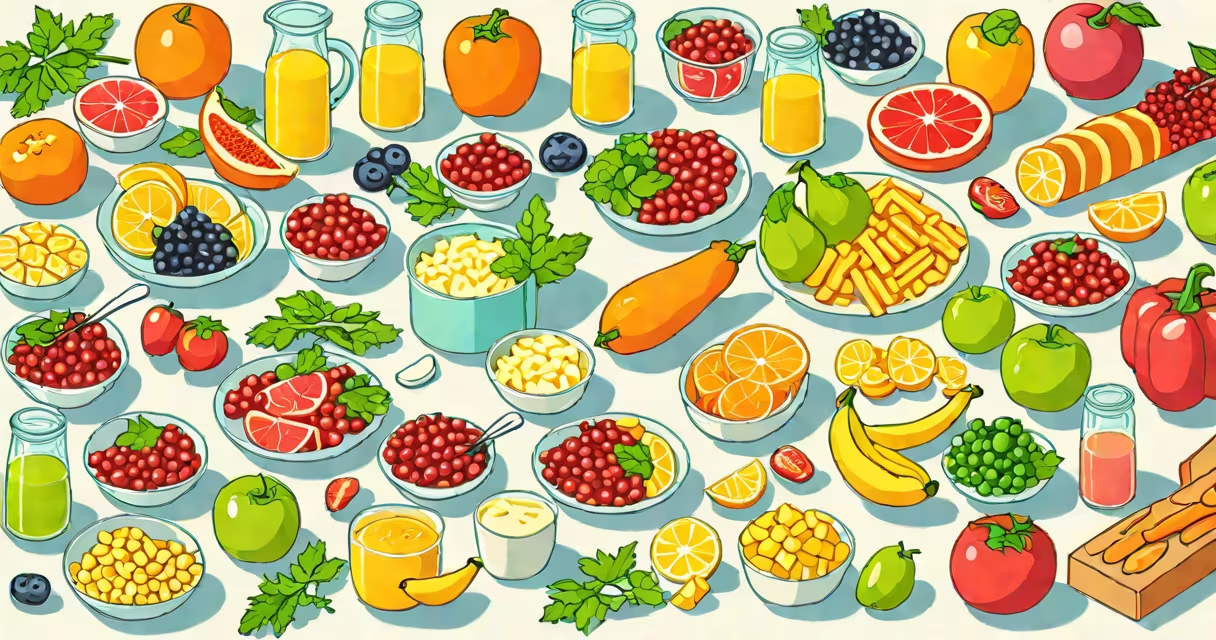
Food to reduce menstrual cramps includes magnesium-rich options like dark chocolate and leafy greens that ease inflammation and pain. These foods help lower prostaglandins, compounds that trigger uterine contractions and cause cramping.
Diet influences menstrual cramps by affecting inflammation and hormone levels. Foods high in omega-3 fatty acids, antioxidants, and magnesium reduce inflammation, while processed foods and excess salt may worsen cramping. Studies show that women who consume more fruits, vegetables, and whole grains report less severe cramps.
The most effective foods for menstrual cramp relief fall into three categories: anti-inflammatory foods, magnesium-rich foods, and those that balance hormones. Here's a breakdown:
| Category | Examples | Key Nutrients |
|---|---|---|
| Anti-inflammatory Foods | Salmon, walnuts, flaxseeds | Omega-3 fatty acids |
| Magnesium-Rich Foods | Dark chocolate, spinach, almonds | Magnesium |
| Hormone-Balancing Foods | Flaxseeds, turmeric, ginger | Lignans, curcumin |
Many believe caffeine and sugar worsen cramps, but research shows moderate consumption doesn't impact severity. However, excessive caffeine can dehydrate you, making cramps feel worse. Another myth is that spicy foods trigger cramps, but there's little evidence supporting this claim.
Magnesium helps relax muscles and reduce prostaglandin production. Dark chocolate contains about 64 mg of magnesium per ounce, while a cup of cooked spinach provides 157 mg. Almonds offer 80 mg per quarter-cup serving. Incorporating these foods into your diet can help alleviate cramping.
I noticed a difference when I added a handful of almonds to my daily snack routine during my period. The reduction in cramp severity was noticeable within a few cycles.
If dietary changes don't provide enough relief, consider other remedies. Over-the-counter pain relievers like ibuprofen can reduce inflammation and pain. Heat therapy, such as a heating pad, also helps relax uterine muscles. For severe or debilitating menstrual cramps, consult a healthcare provider to rule out conditions like endometriosis.
Processed foods, refined sugars, and excessive salt increase inflammation and bloating, exacerbating cramps. Alcohol and caffeine can also dehydrate you, making cramps feel more intense. To minimize discomfort, focus on whole, nutrient-dense foods and stay hydrated.
Understanding why menstrual cramps are painful highlights the importance of diet in managing symptoms. Prostaglandins cause uterine contractions, and foods that lower their production can reduce pain.