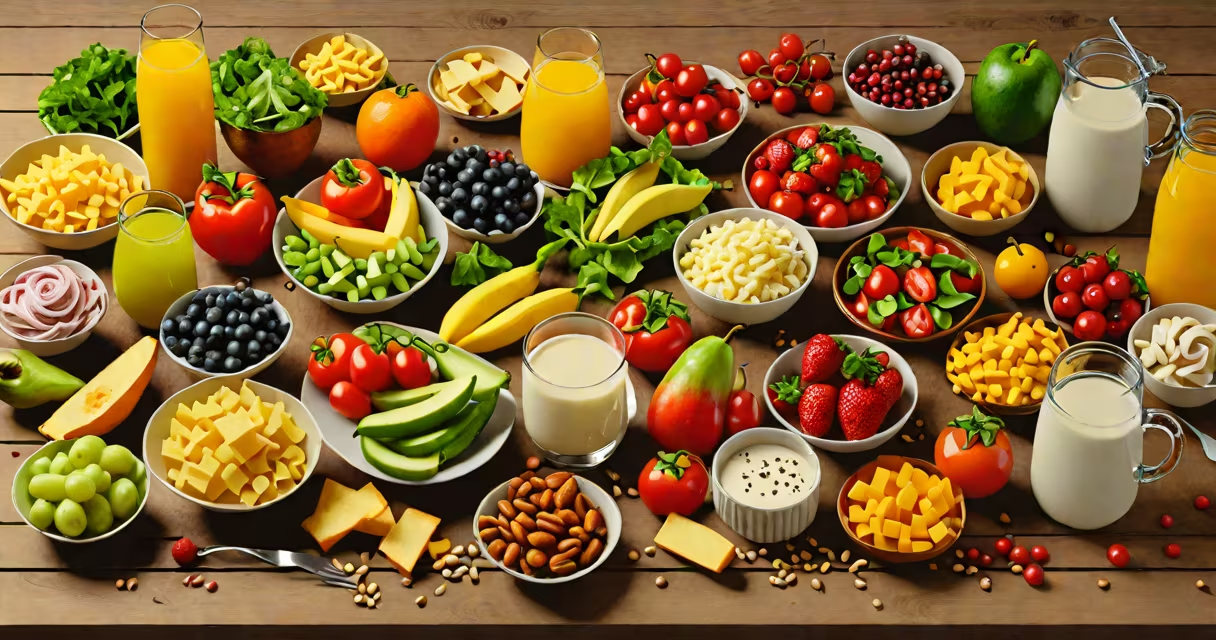
When you're bloated, certain foods can help reduce discomfort and support digestion. These foods are typically low in sodium, high in potassium, and rich in fiber or water content.
Bloating occurs when your digestive system struggles to process food efficiently. Foods that are high in sodium or low in fiber can exacerbate bloating. Conversely, foods rich in potassium help balance sodium levels, while fiber promotes regular bowel movements. Hydration is also important, as water helps flush out excess sodium and keeps the digestive system running smoothly.
The most effective foods for reducing bloating fall into several categories:
Many people reach for foods they think will help, but these choices often make bloating worse. For example, some turn to salty snacks like chips or crackers, which can worsen water retention. Others opt for carbonated drinks, which introduce gas into the digestive system. Instead, focus on whole, unprocessed foods that are gentle on the stomach.
Imagine you've eaten a large, salty meal and now feel bloated. Instead of reaching for another salty snack, try eating a banana with a handful of almonds. The banana provides potassium to balance sodium levels, while the almonds offer fiber to support digestion. Pair this with a glass of water to stay hydrated. This combination addresses bloating from multiple angles.
While dietary changes can help, persistent bloating may indicate an underlying issue like irritable bowel syndrome (IBS) or food intolerances. If bloating is accompanied by severe pain, weight loss, or changes in bowel habits, consult a healthcare provider for evaluation.
For those experiencing bloating during menstruation, explore foods to eat on your period for additional relief strategies.