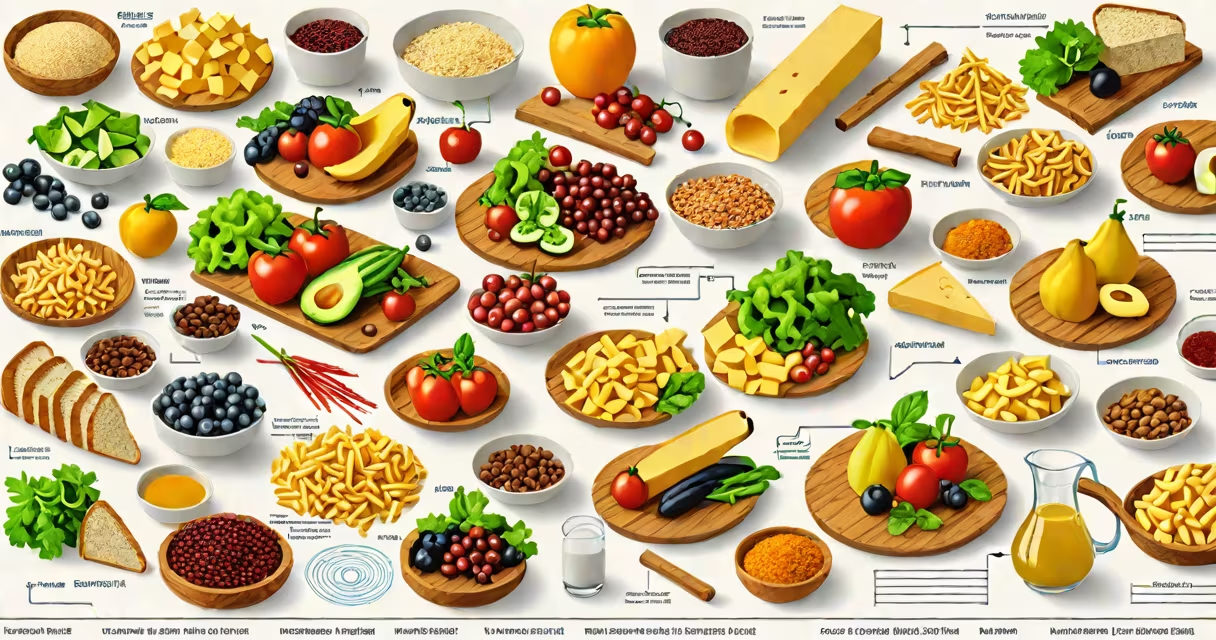
Food with high fiber includes plant-based foods containing 5 grams or more of dietary fiber per serving. These foods promote digestive health, regulate blood sugar, and lower cholesterol. The U.S. Dietary Guidelines recommend adults consume 28-34 grams daily.
Dietary fiber passes through the digestive system largely undigested. Soluble fiber dissolves in water, forming a gel-like substance that slows digestion and binds to cholesterol. Insoluble fiber adds bulk to stool, aiding regular bowel movements. Both types feed beneficial gut bacteria, improving microbiome balance.
High-fiber foods fall into five categories:
| Category | Examples | Fiber Content (per serving) |
|---|---|---|
| Whole Grains | Oats, quinoa, brown rice | 3-6g |
| Legumes | Lentils, black beans, chickpeas | 6-10g |
| Vegetables | Artichokes, sweet corn, Brussels sprouts | 4-8g |
| Fruits | Raspberries, apples, pears | 4-8g |
| Nuts and Seeds | Chia seeds, almonds, flaxseeds | 2-6g |
Many assume fiber supplements replace whole foods. However, supplements lack the additional nutrients found in natural sources. For example, while a tablespoon of psyllium husk provides 5 grams of fiber, it lacks the vitamins and antioxidants in a cup of raspberries.
Start with small changes, such as swapping white bread for whole-grain alternatives. Add legumes to salads or soups, and choose fruits like apples or pears as snacks. Gradually increase intake to avoid bloating. For quick options, check out high fiber fast food options.
For those curious about specific vegetables, spinach contains 0.7 grams of fiber per cooked cup. To explore other gut-friendly foods, see prebiotic-rich foods.
Research from the Harvard School of Public Health links high-fiber diets to reduced risks of heart disease, diabetes, and colorectal cancer. A study published in the Journal of Nutrition found that increasing fiber intake by 7 grams daily lowered cardiovascular risk by 9%. Beyond physical health, fiber promotes satiety, helping manage weight.
When I began adding chia seeds to my morning yogurt, I noticed improved digestion within a week. The seeds expanded in my stomach, enhancing fullness and reducing cravings. This aligns with research showing that soluble fiber slows gastric emptying, stabilizing blood sugar levels.