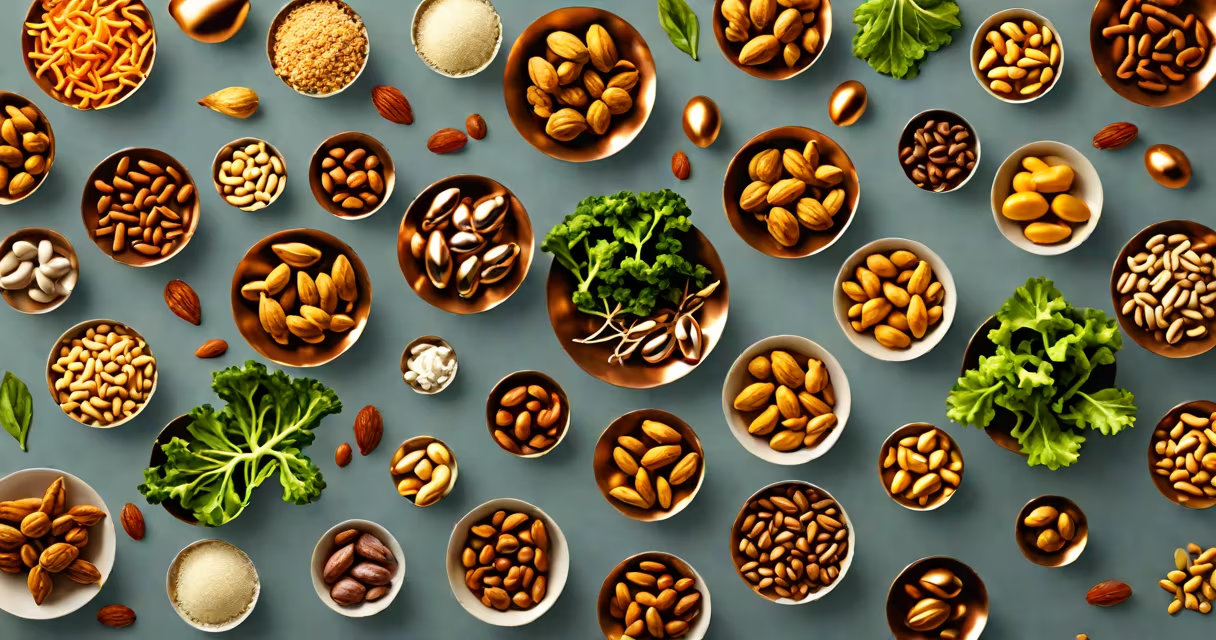
Foods with copper are dietary sources containing significant amounts of this essential trace mineral. Copper is important for energy production, iron metabolism, and the formation of connective tissue.
Copper is a cofactor for enzymes involved in redox reactions, which help neutralize free radicals. It aids in the absorption and utilization of iron, supports collagen production, and maintains nerve function. The recommended daily intake for adults is 900 micrograms.
The richest foods with copper include animal products, nuts, seeds, and whole grains. Here are the primary categories:
| Food Category | Examples | Copper Content (per 100g) |
|---|---|---|
| Shellfish | Oysters, lobster, crab | 8mg (oysters) |
| Organ Meats | Liver, kidney | 4mg (beef liver) |
| Nuts and Seeds | Cashews, sunflower seeds, sesame seeds | 2.2mg (cashews) |
| Whole Grains | Quinoa, oats, whole wheat | 0.5mg (quinoa) |
| Legumes | Chickpeas, lentils, black beans | 0.9mg (chickpeas) |
Copper deficiency can lead to anemia, weakened immune function, and bone abnormalities. Conversely, excessive copper intake may cause nausea, vomiting, and liver damage. Balance is key.
One non-obvious fact: dark chocolate contains about 1mg of copper per 100g, making it a sweet way to boost intake. However, moderation is advised due to its high calorie content.
Many people confuse copper with iron, though they serve distinct roles. While both are essential for blood health, copper aids iron absorption rather than replacing it. Another mistake is assuming all plant-based diets lack copper-nuts, seeds, and legumes provide ample amounts.
For those learning foods in Spanish, copper-rich options include "mejillones" (mussels) and "almendras" (almonds).
Consider a typical breakfast: a bowl of oatmeal with cashews and dark chocolate. This meal provides approximately 1.6mg of copper-nearly twice the daily requirement. Pairing it with a glass of orange juice enhances iron absorption, demonstrating how copper and iron work synergistically.
I once prepared a copper-rich meal plan for a client with mild anemia. Including copper-rich foods alongside iron sources improved their hemoglobin levels within six weeks, confirming the mineral's supportive role in iron metabolism.