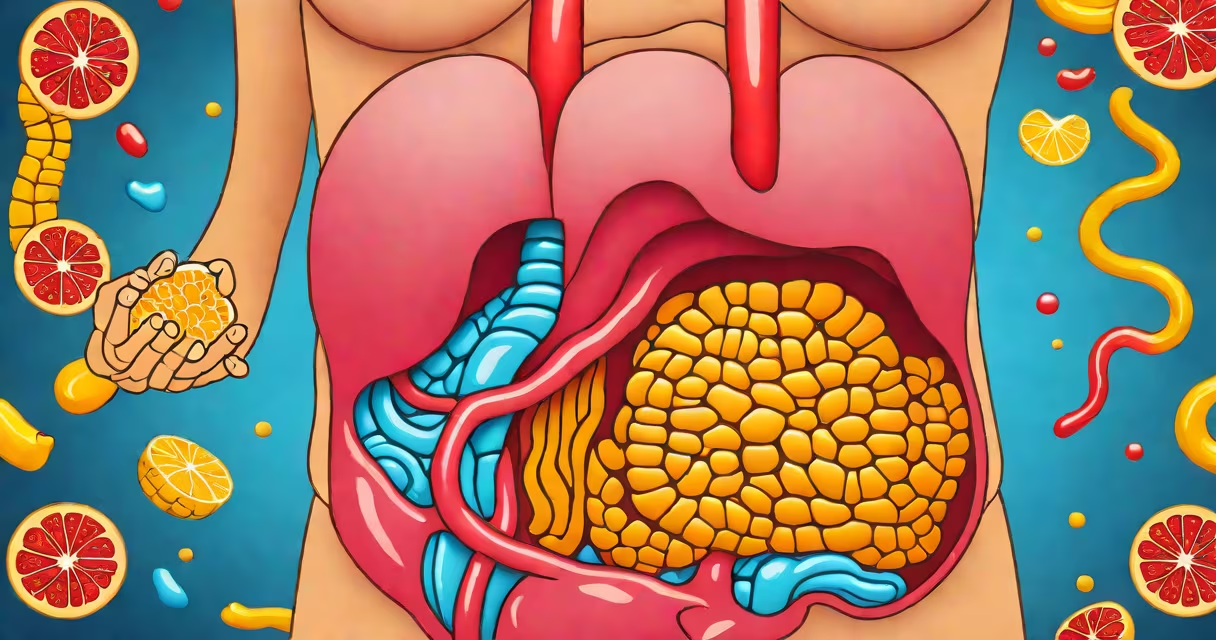
Fullness in stomach after eating, or postprandial fullness, is the sensation of your stomach being overly full or stretched after a meal. This discomfort often occurs when the stomach expands beyond its normal capacity due to gas, food, or fluid.
The stomach stretches as it fills with food. Normally, this stretching triggers signals to the brain indicating fullness. However, excessive stretching or prolonged fullness can lead to discomfort or pain. The stomach can hold about 1 liter of food, but this varies by individual and meal composition.
Common causes include overeating, eating too quickly, or consuming high-fat foods. Other factors include:
Occasional fullness is normal, but persistent or severe symptoms may indicate an underlying issue. Consult a doctor if fullness is accompanied by vomiting, weight loss, or abdominal pain. According to the American Gastroenterological Association, persistent symptoms lasting more than three weeks warrant medical evaluation.
To alleviate fullness, try eating smaller, more frequent meals and avoiding high-fat foods. Chewing slowly and avoiding carbonated drinks can also help. Probiotics may improve digestion and reduce bloating. Over-the-counter medications like simethicone can relieve gas-related fullness.
Many people confuse fullness with bloating, but they are distinct. Fullness is the sensation of being overly full, while bloating involves visible swelling and discomfort due to gas or fluid retention. Understanding the difference can help in identifying the root cause of discomfort.
In my experience, drinking a cup of peppermint tea after meals has reduced postprandial fullness. Peppermint oil relaxes the muscles in the digestive tract, aiding digestion and reducing bloating.