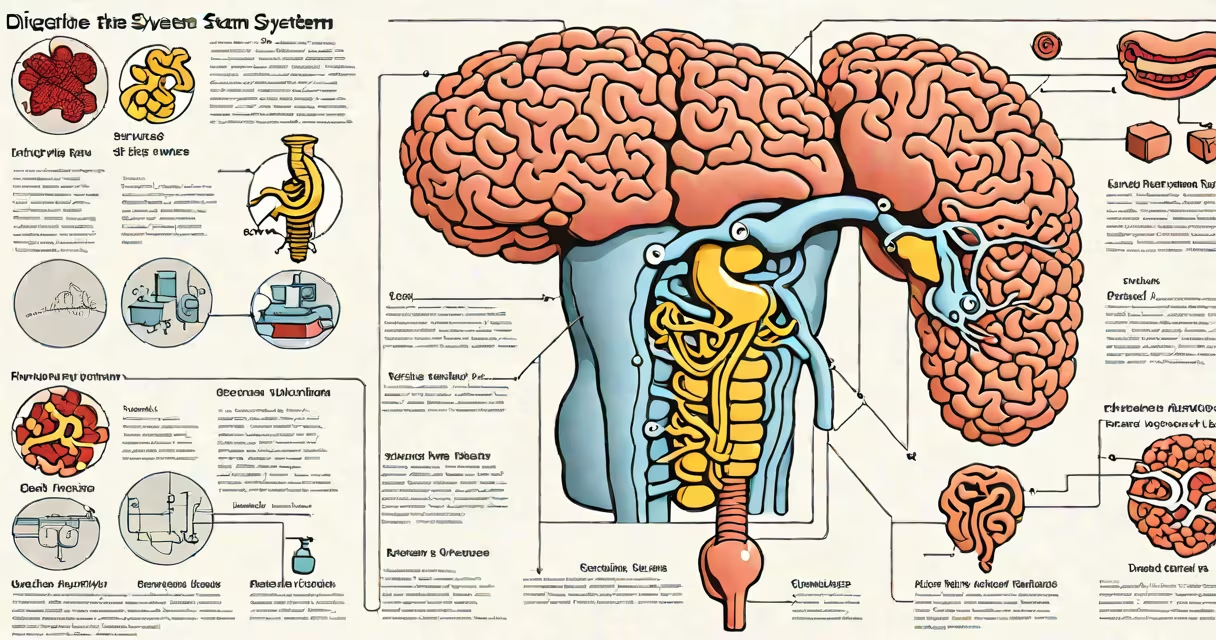
The digestive system is a network of organs working together to process food, absorb nutrients, and eliminate waste. It includes the mouth, esophagus, stomach, small intestine, large intestine, rectum, and anus.
Digestion begins in the mouth, where enzymes in saliva start breaking down carbohydrates. Food then travels down the esophagus to the stomach, where stomach acid and enzymes further break it down. The small intestine absorbs most nutrients, while the large intestine processes waste before elimination.
| Organ | Function |
|---|---|
| Mouth | Mechanical breakdown of food and initial chemical digestion |
| Esophagus | Transports food |
| Stomach | Breaks down food with acid and enzymes |
| Small Intestine | Absorbs nutrients and minerals from food |
| Large Intestine | Processes waste and absorbs water |
| Rectum and Anus | Eliminates solid waste from the body |
The digestive system has some surprising features. For example, stomach acid is strong enough to dissolve metal, yet the stomach lining regenerates daily to protect itself. The small intestine, though only about an inch in diameter, is roughly 20 feet long in adults., the gut microbiome-comprising trillions of bacteria-is important for digestion and health.
Many people believe that food takes days to digest completely. However, the entire process typically takes between 24 and 72 hours. Another myth is that chewing gum stays in the stomach for years, but the body processes it like any other food. Some also think that spicy foods cause ulcers, but research shows that bacteria, not food, are usually the culprit.
I once tested the speed of digestion by eating a meal with visible food particles and timing how long they took to pass through my system. The results aligned with scientific estimates, confirming that digestion is faster than many assume.
Efficient digestion is important for health. Proper nutrient absorption supports energy levels, immune function, and mental clarity. Poor digestion can lead to issues like bloating, constipation, and nutrient deficiencies. Maintaining gut health through a balanced diet, hydration, and regular exercise is key to optimal digestion.